
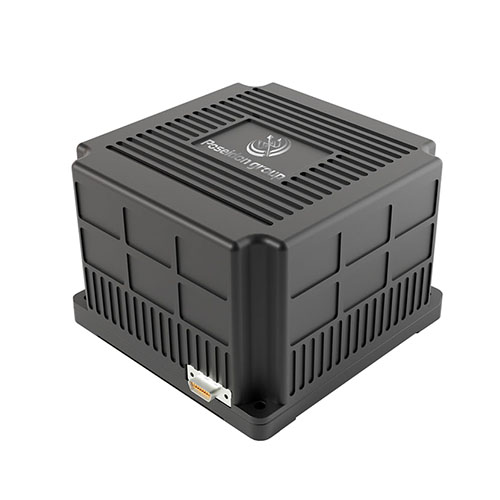
 TBSD60
 BSD120
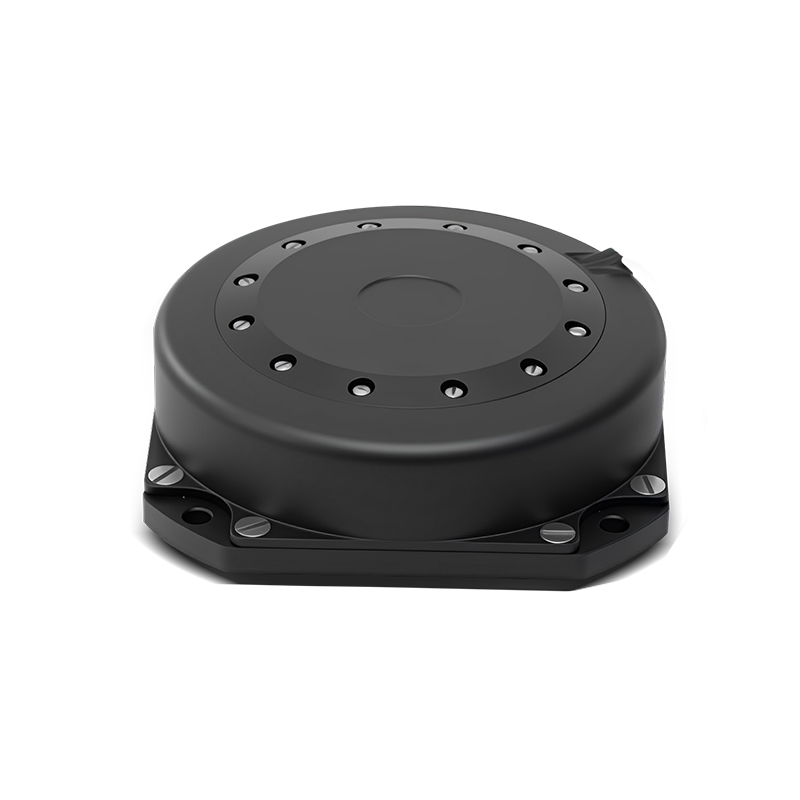 BSD98
BSD98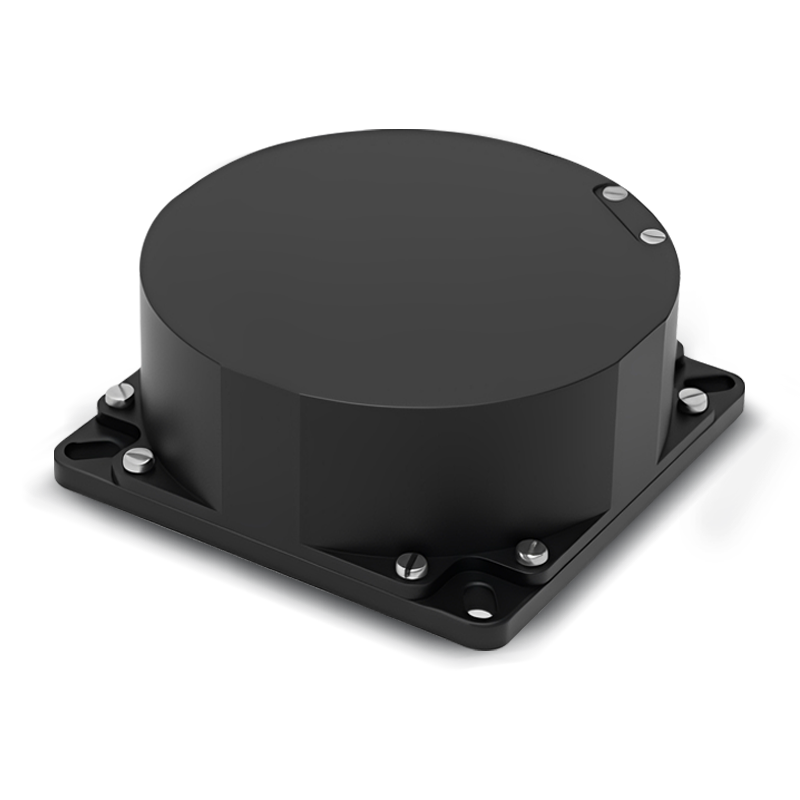 BSD70
BSD70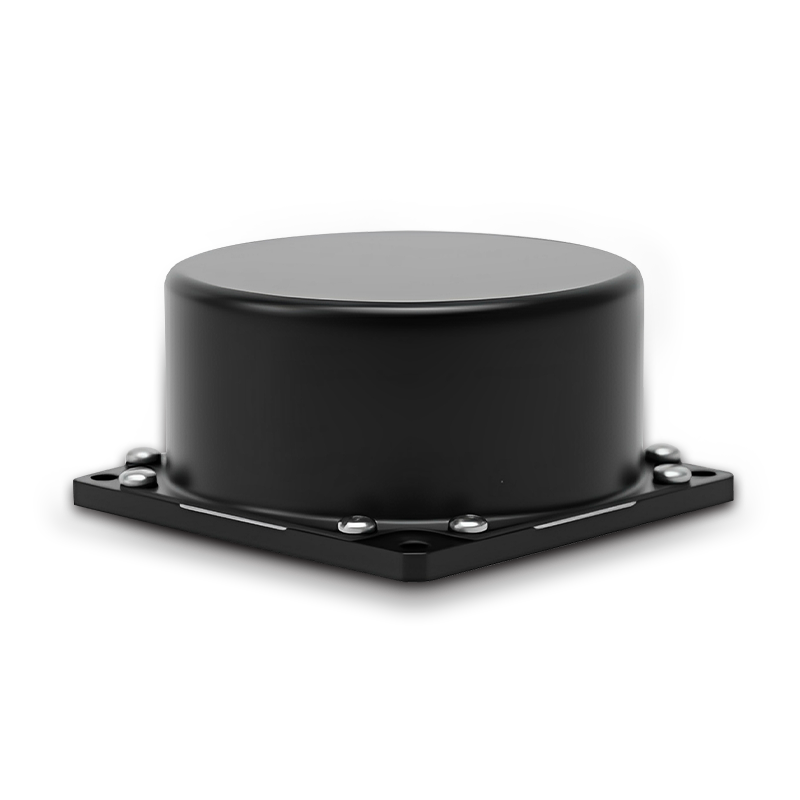 BSD60
BSD60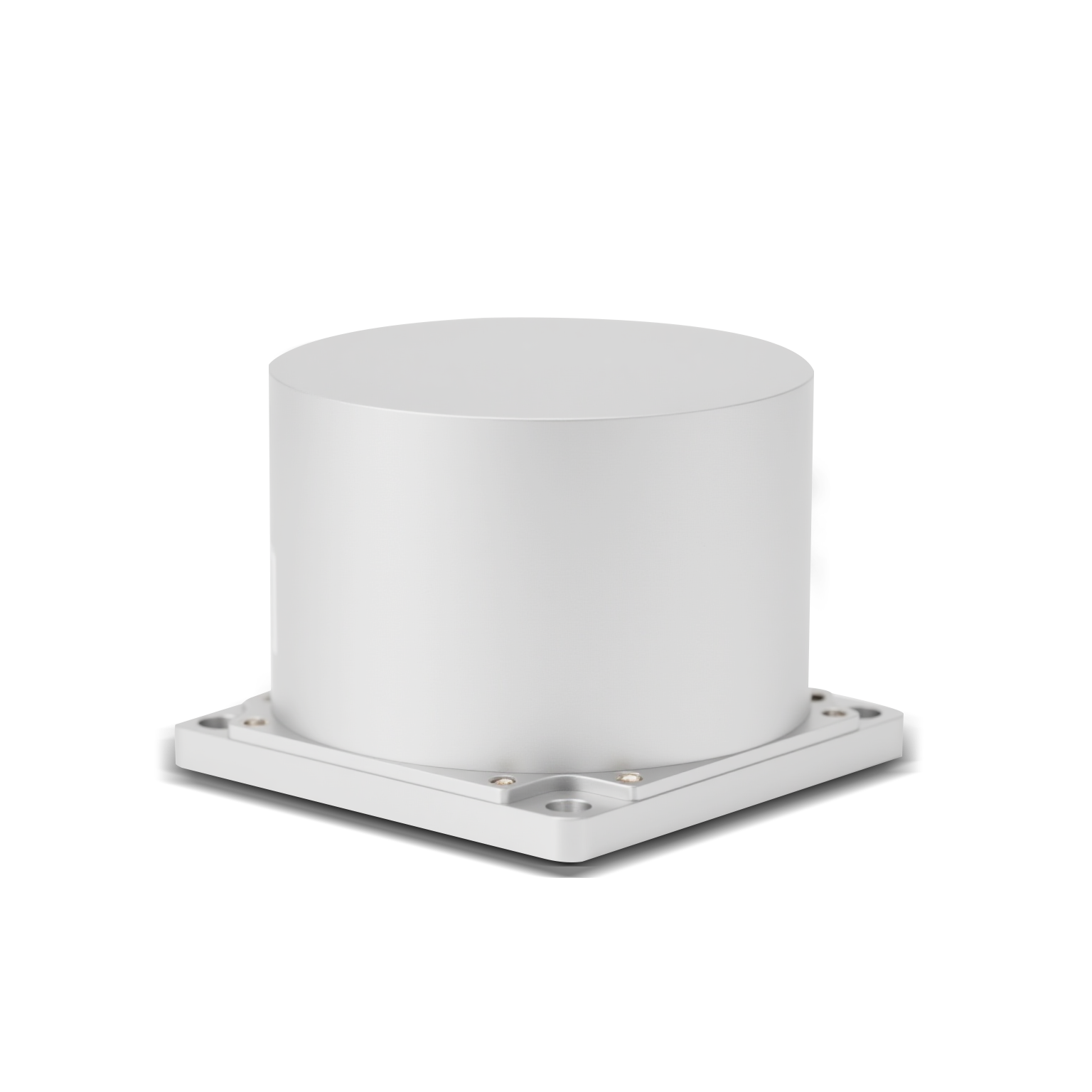 BSD50
BSD50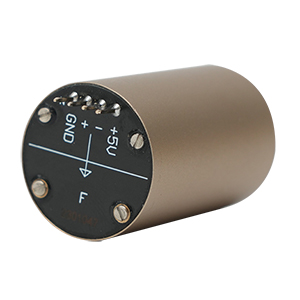 BSD217
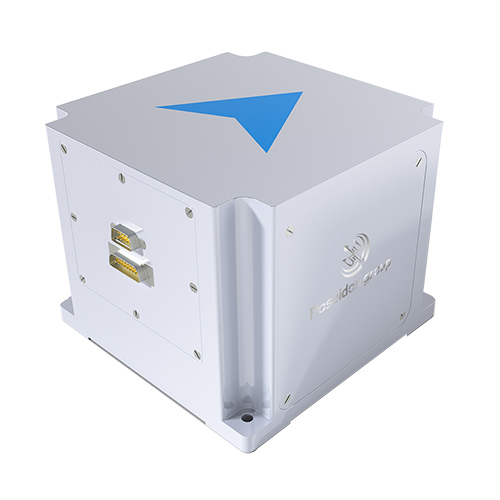 INS1700
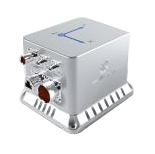 INS970
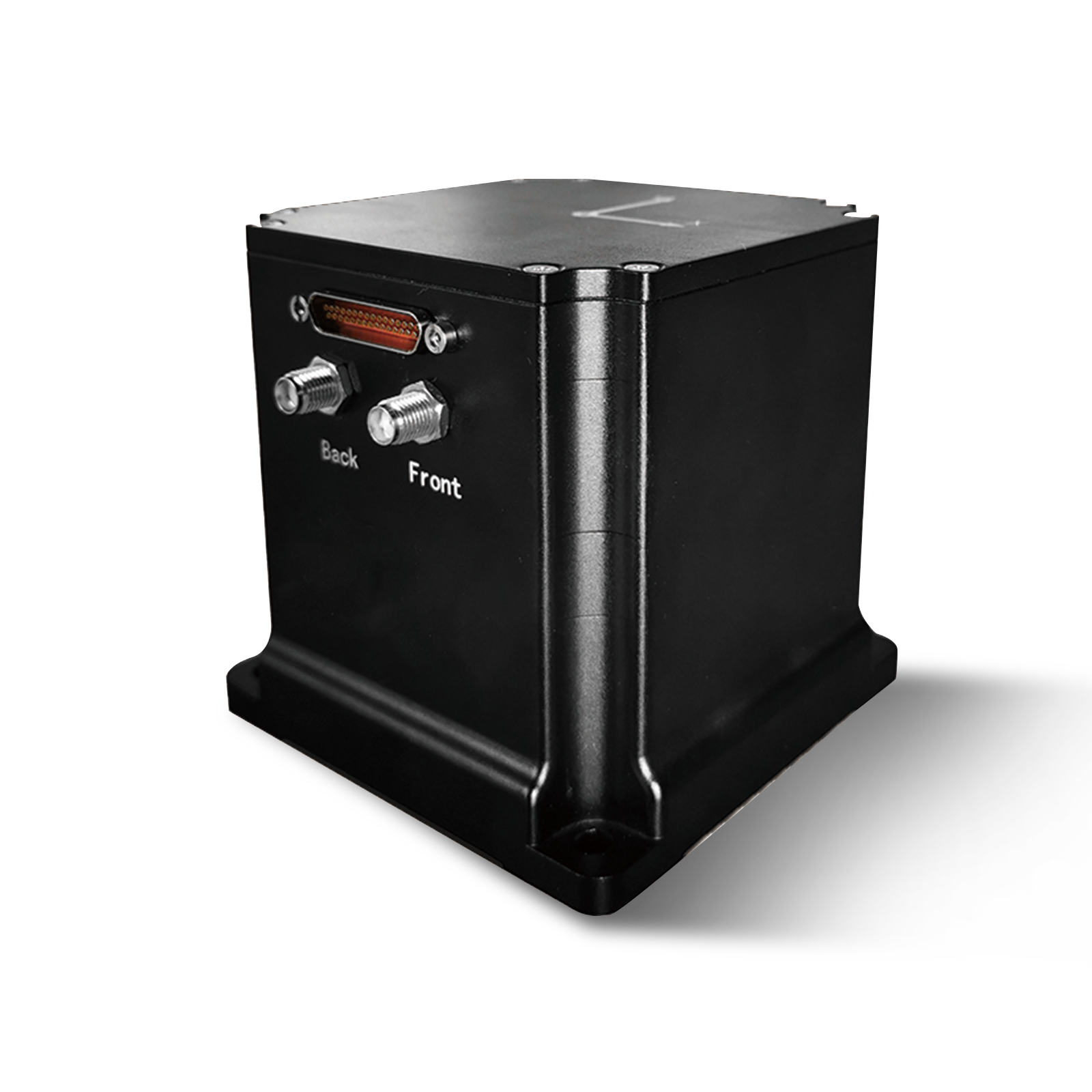 INS570
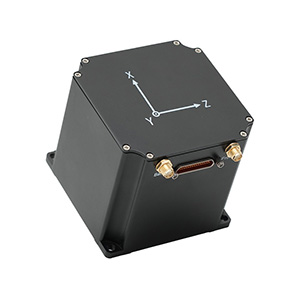 INS170
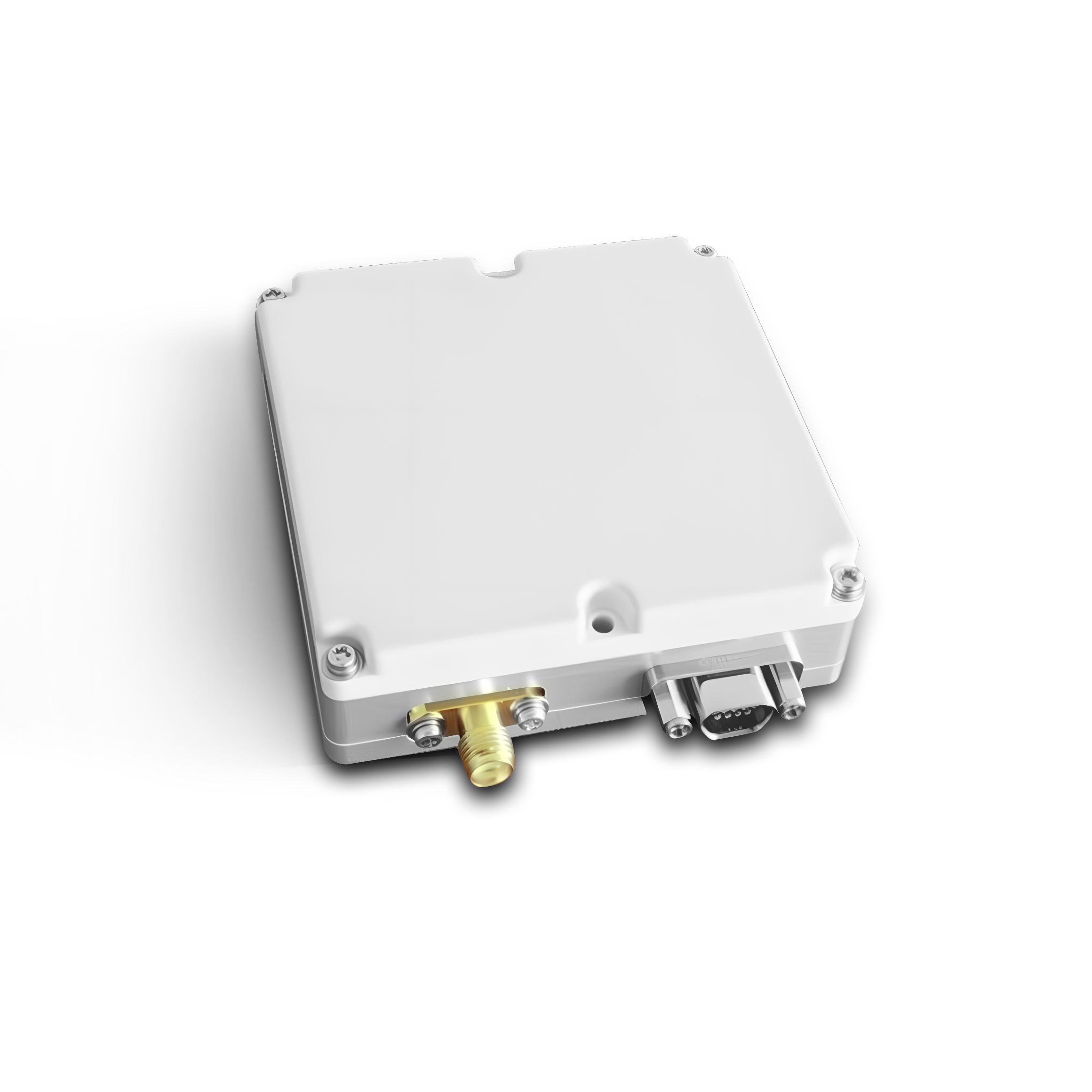 SLA-4B1L1-65
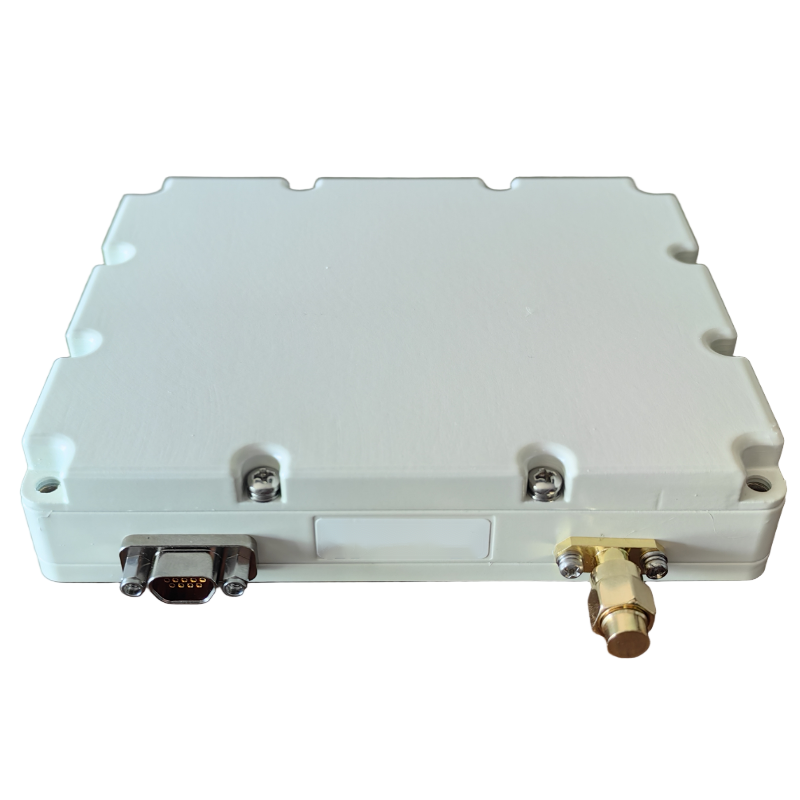 SLA-8B1L1-110
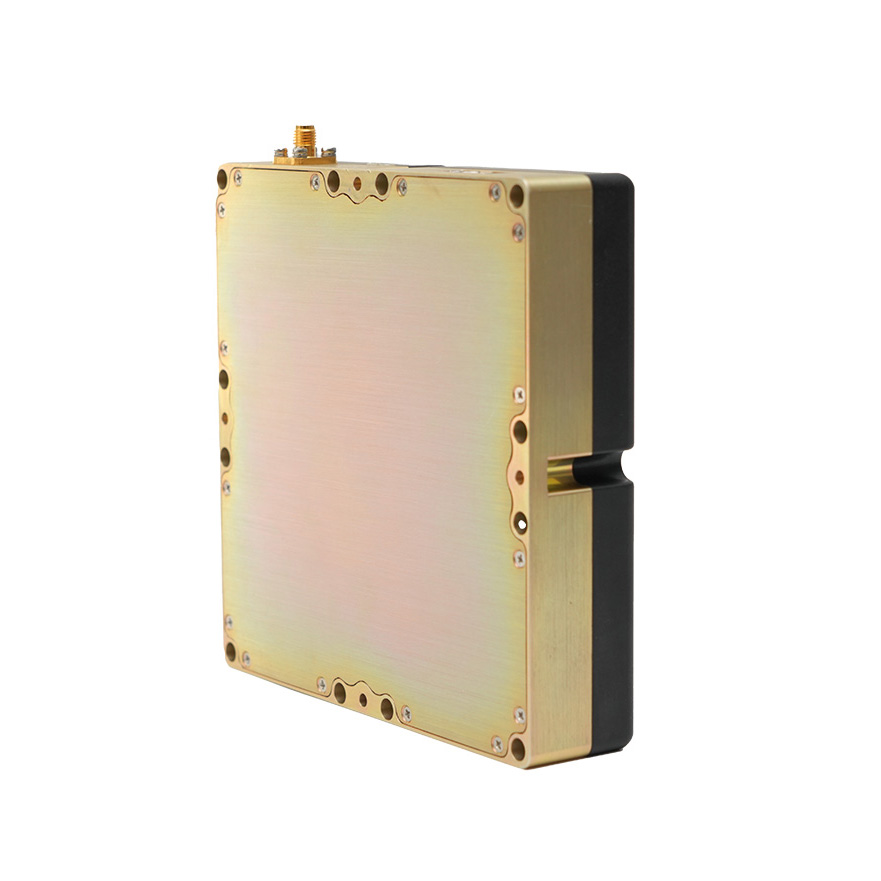 SLA-4B1L1-130
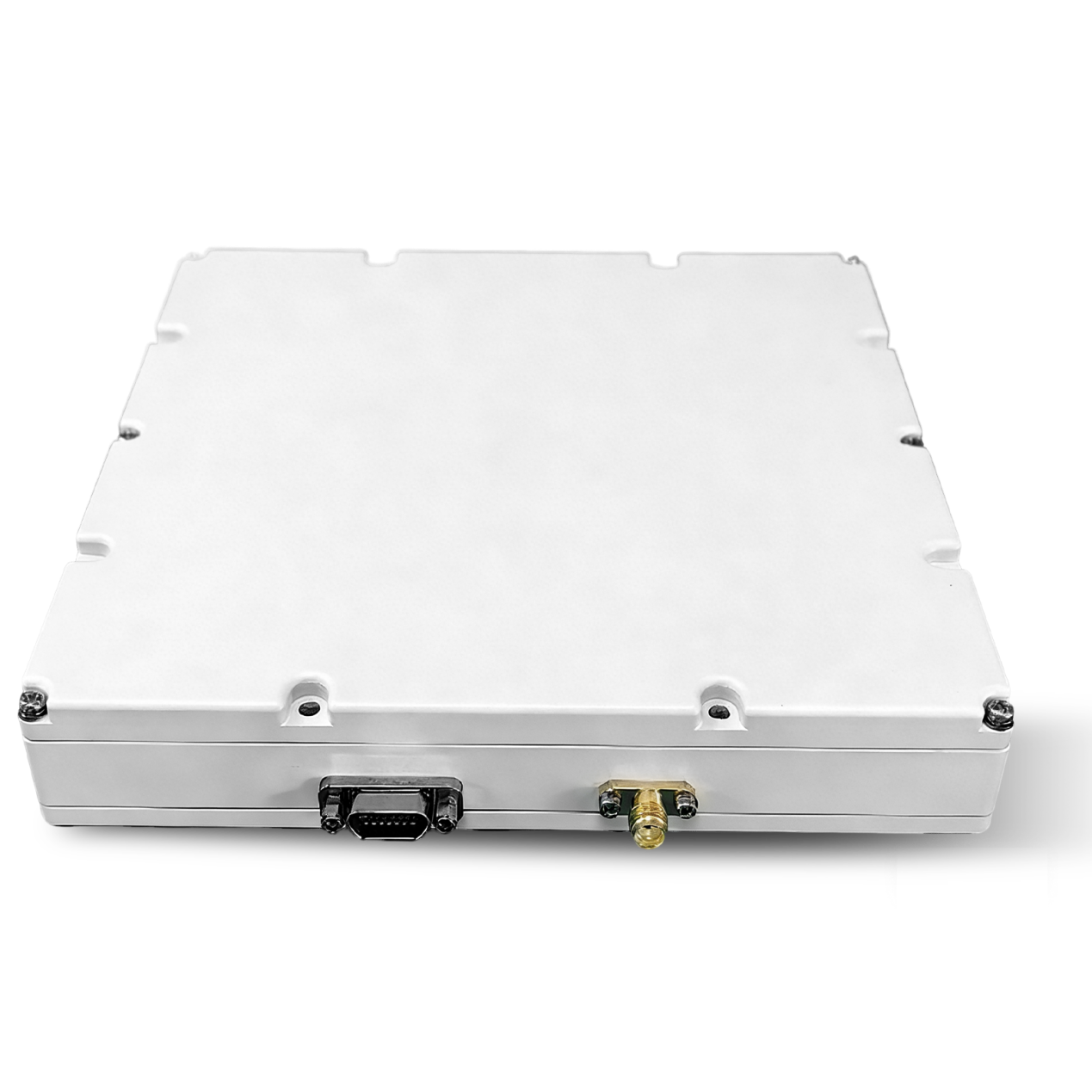 SLA-16B1L1-160
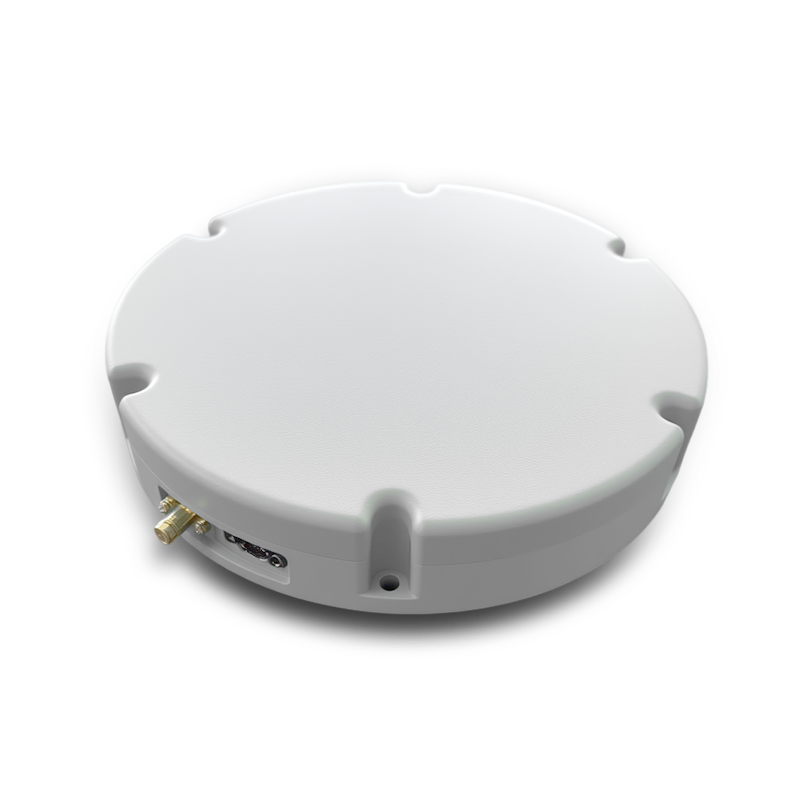 SLA-8B1L1-165
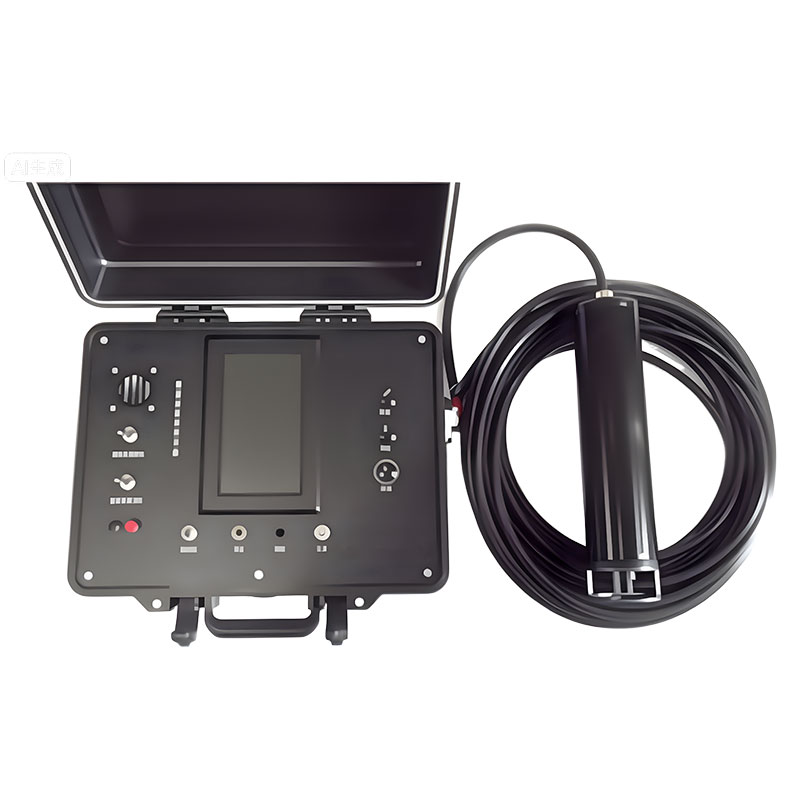 101 Vessel-mounted Positioning
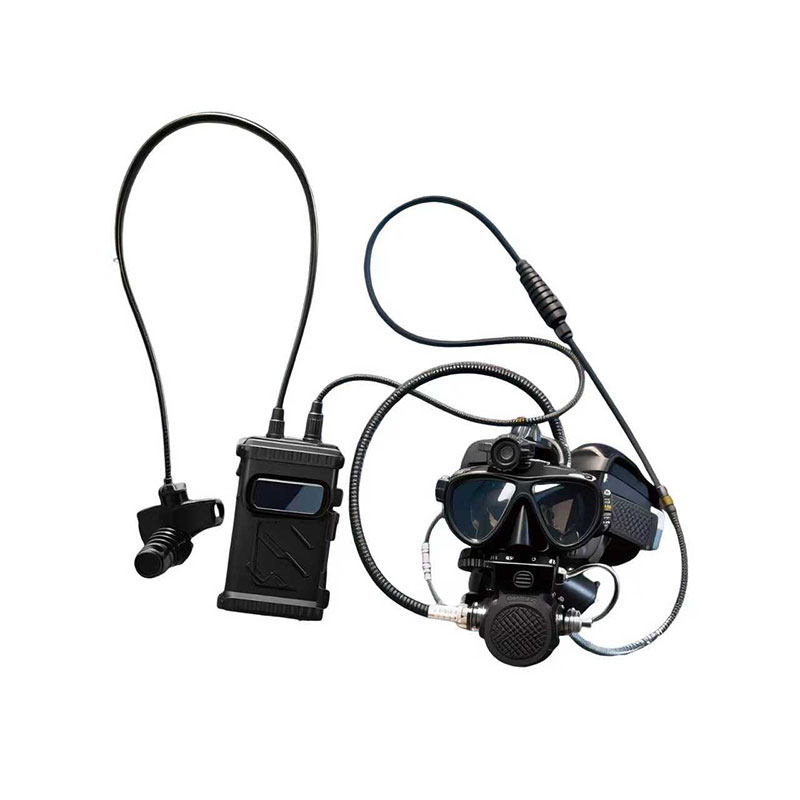 102 Acoustic Communication
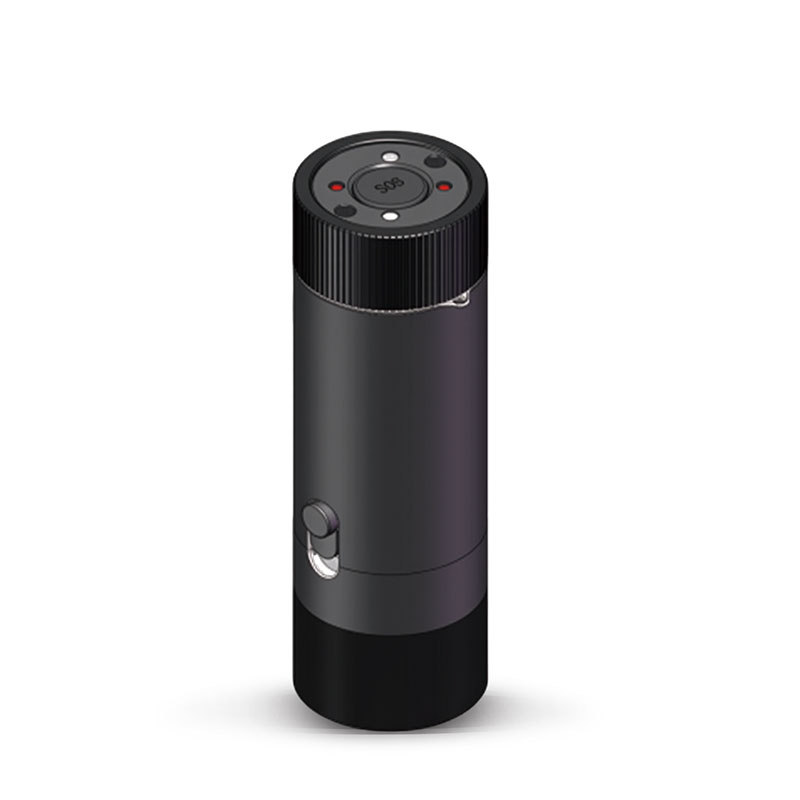 103 Tracking and Locating
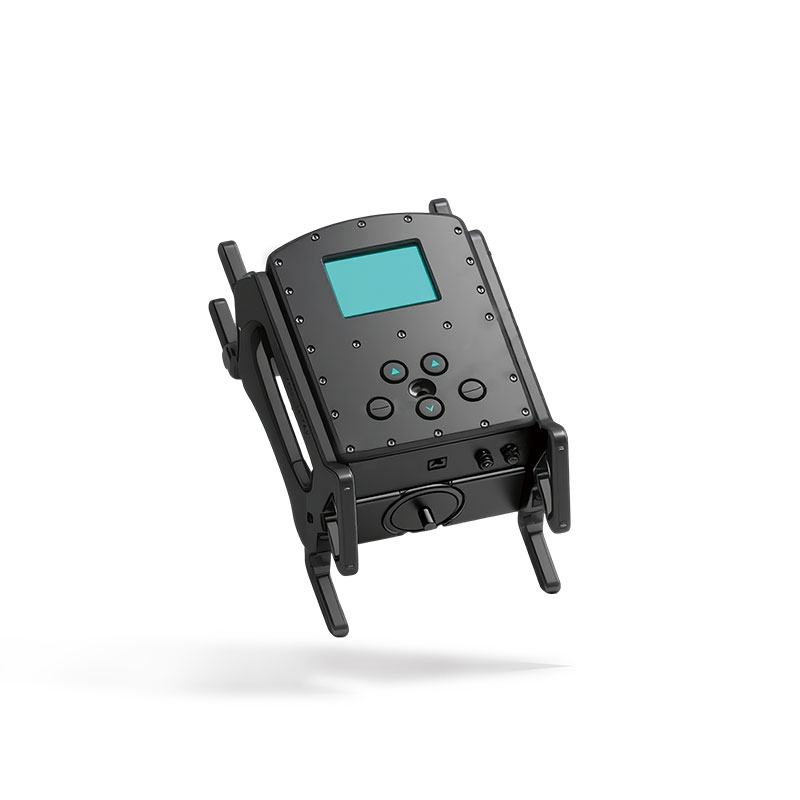 104 Diver Navigation System
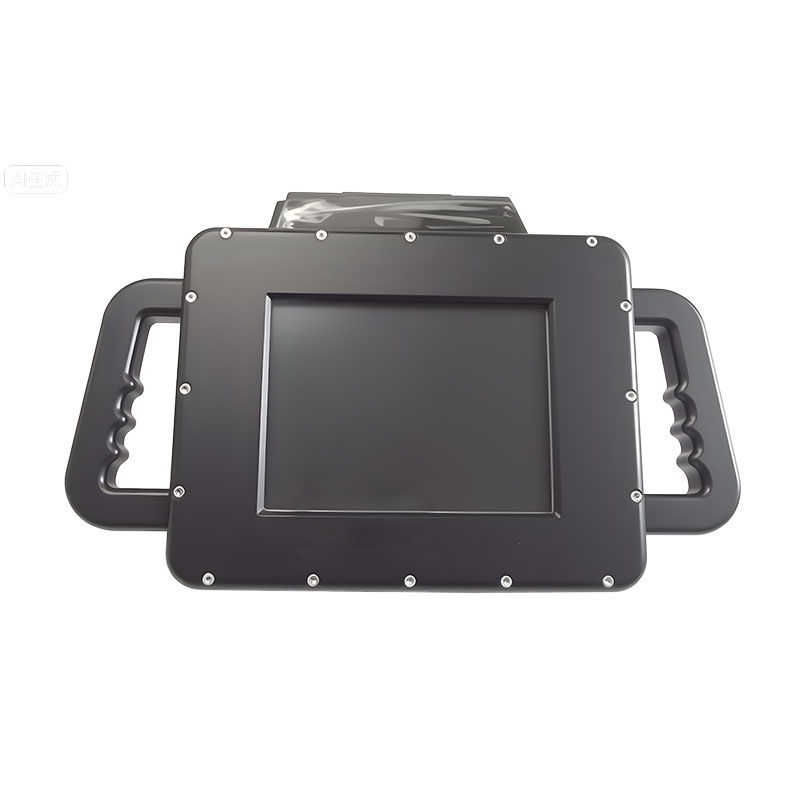 105 Intrusion Detection Sonar
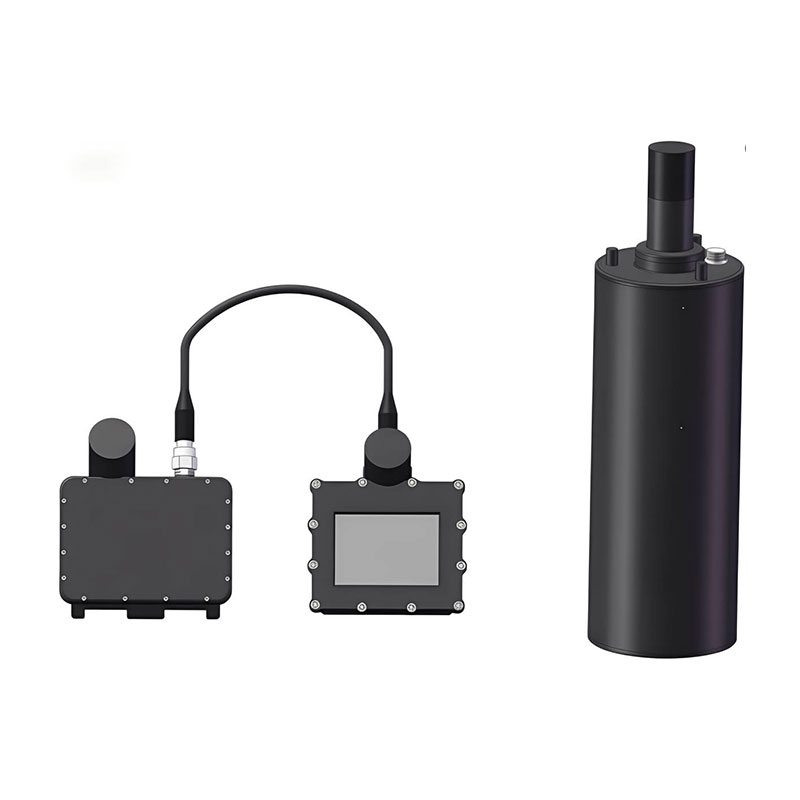 106 Delivery Locator Beacon
 SLLR3000
 SLLR905
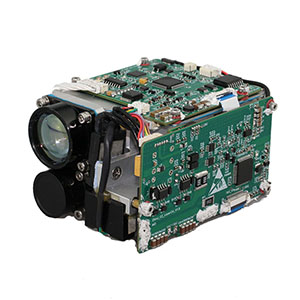 SLLD25
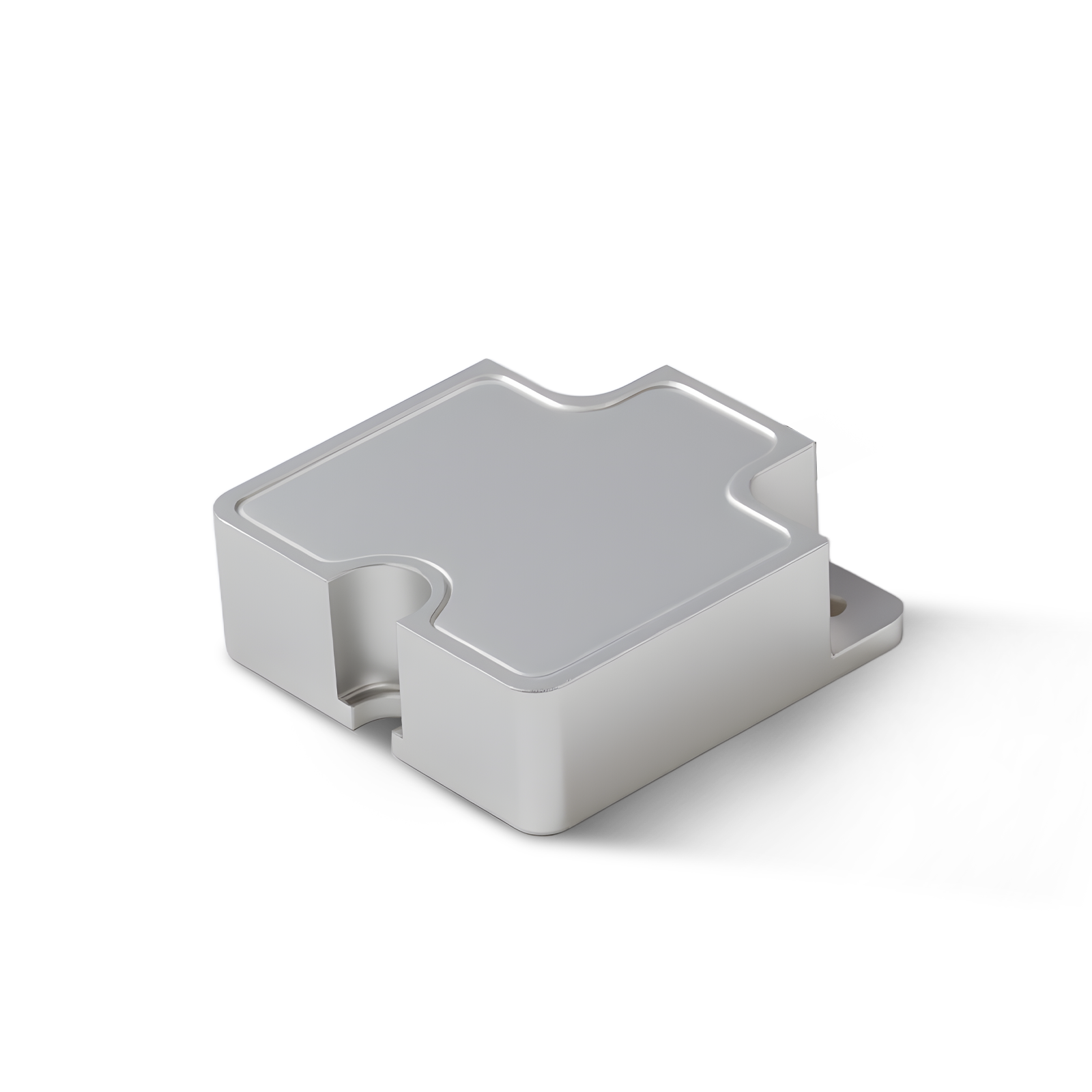 108IMU
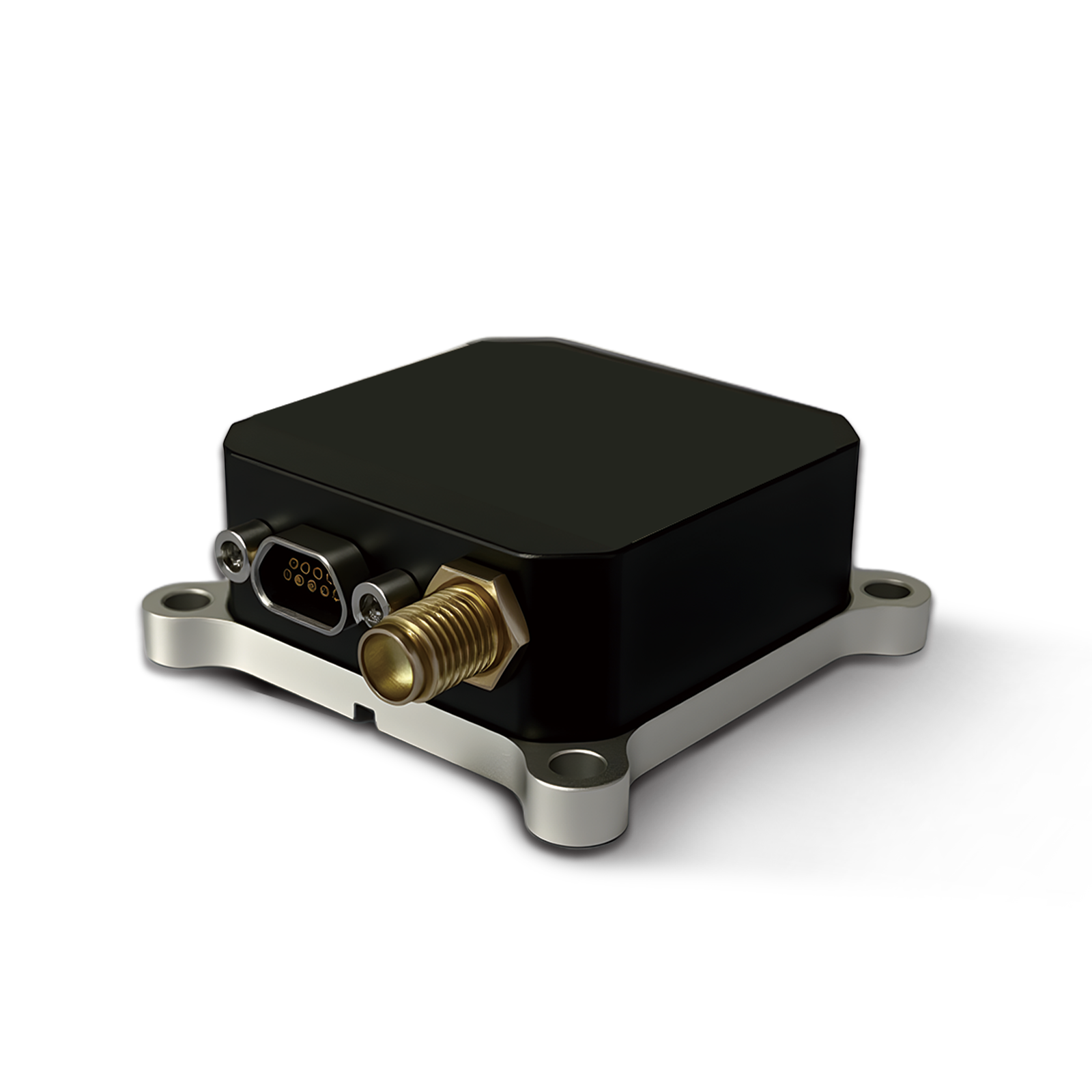 150M
150M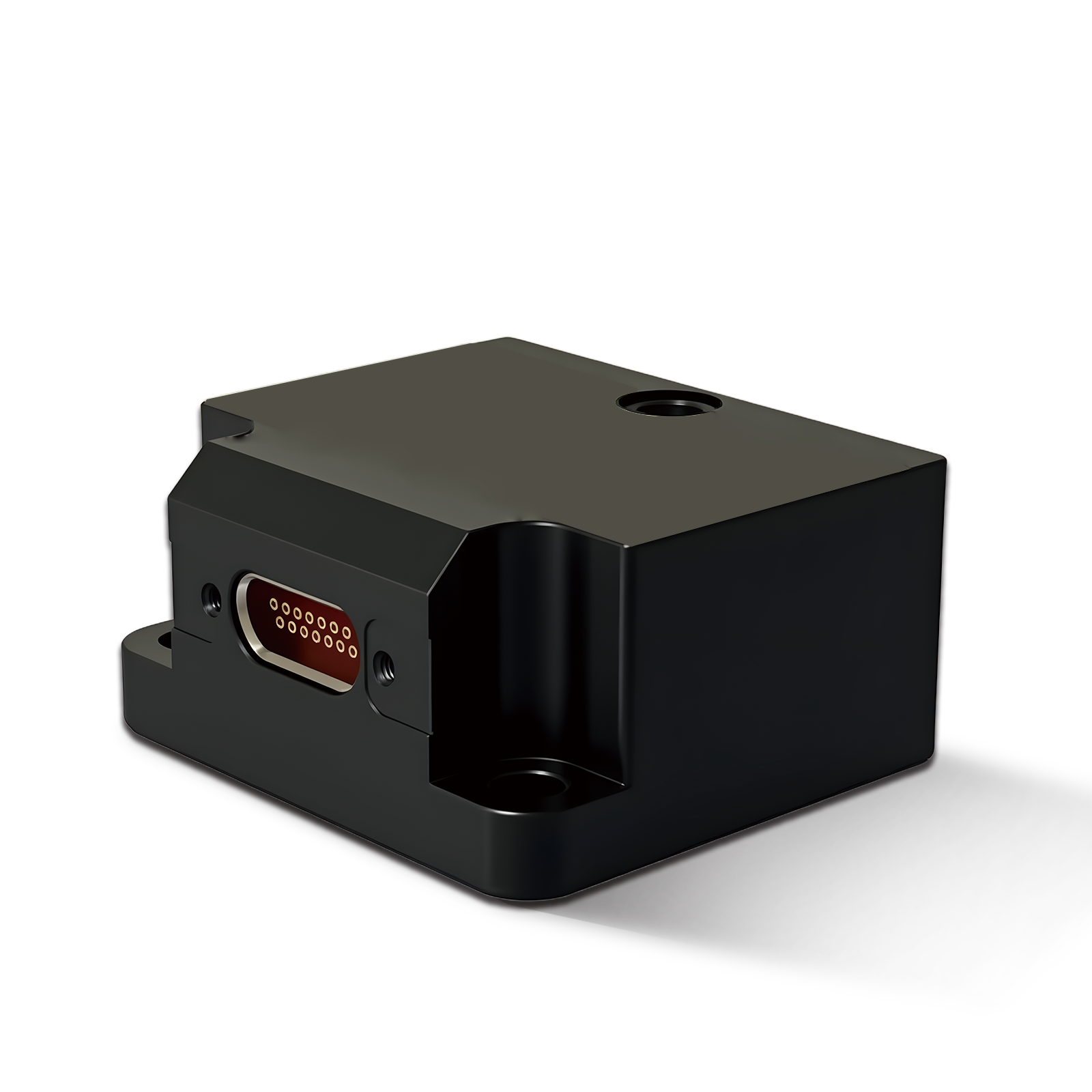 500MH
500MH 160M
160M 170M
170M SLFC-70
 SLAF280
 MR360
MR360





The Cost Savings of Buying an Inertial Navigation System in Bulk
With a highly competitive industrial landscape, businesses are under constant pressure to optimise operations and reduce costs while maintaining high performance standards. Every investment decision must balance efficiency, reliability, and long-term returns. Among advanced technologies that drive industrial growth, the Inertial Navigation System (INS) has become a key enabler in aerospace, defence, marine, and industrial automation sectors.
However, purchasing INS units individually can significantly increase procurement expenses, especially for enterprises with large-scale or multi-project requirements. By buying Inertial Navigation Systems in bulk, companies can unlock substantial cost savings, streamline logistics, and ensure consistent system performance across projects.
This article examines the financial and operational benefits of bulk purchasing INS, highlighting how it can enhance competitiveness, optimise resource allocation, and deliver strategic value for forward-thinking enterprises.
Understanding Inertial Navigation System
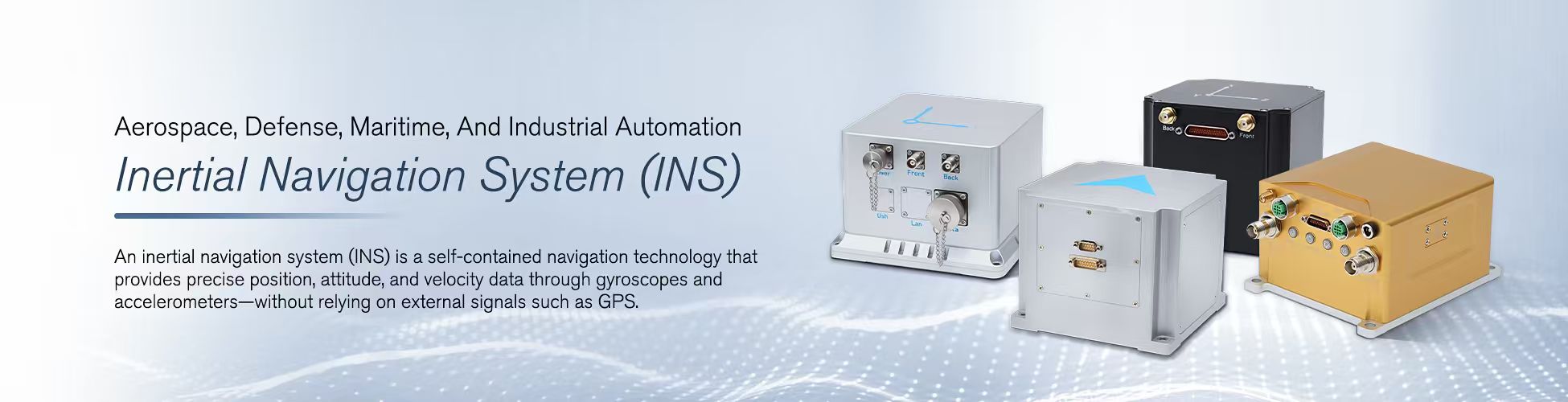
An Inertial Navigation System (INS) is a self-contained navigation technology that uses gyroscopes and accelerometers to provide accurate data on position, orientation, and velocity—without relying on external signals like GPS. Unlike traditional navigation tools that depend heavily on satellite connectivity, INS offers reliability even in GPS-denied or signal-degraded environments, making it a preferred choice in aerospace, marine, and defence applications.
Compared with conventional positioning systems, an INS provides higher efficiency, precision, and autonomy, which translates into improved mission success and reduced downtime. For enterprises, this means greater reliability in critical operations and stronger resilience against disruptions.
One of the most significant advantages of INS lies in its low-maintenance operation and long-term cost-effectiveness. With robust design and minimal dependency on external inputs, it reduces both maintenance needs and operational risks. This ensures businesses not only achieve higher performance but also optimise resource allocation—a combination that is highly valued in today’s cost-sensitive industrial environment.
Key Features of the Inertial Navigation System
Unmatched Precision in Challenging Environments
Inertial Navigation Systems deliver centimetre-level accuracy even when satellite signals are blocked, such as in tunnels, offshore platforms, or military operations. This reliability ensures seamless continuity in navigation, reducing mission delays and errors by up to 30% compared with GPS-only systems. For industries where downtime equals financial loss, such precision offers both operational security and cost savings.
Low Maintenance and Long-Term Cost Efficiency
Built with advanced gyroscopes and accelerometers, INS devices operate with minimal external dependencies. This reduces system downtime and extends service life, cutting maintenance costs by 20–40% over five years compared to conventional navigation solutions. For procurement managers, this translates into stronger ROI and predictable lifecycle expenses.
Versatile Integration Across Multiple Platforms
Modern INS units are compact and power-efficient, making them ideal for integration into UAVs, ships, rail systems, and industrial automation platforms. Their plug-and-play design reduces installation time by up to 25%, while ensuring compatibility with external sensors. This versatility helps businesses deploy one system across different projects, simplifying supply chains and reducing inventory costs.
The Benefits of Buying in Bulk
When companies operate in highly competitive industries, every percentage of cost savings can significantly improve profitability. Bulk purchasing Inertial Navigation Systems (INS) is not just a procurement strategy—it is a financial advantage that directly boosts operational efficiency and long-term margins. Below are the key financial benefits companies can gain from bulk buying.
Cost per Unit Lessened
The most direct advantage of purchasing Inertial Navigation Systems in bulk is the reduction in unit price. Manufacturers typically provide bulk discounts that lower overall expenditure. For example, ordering 100 INS units can result in a much lower per-unit cost compared to individual purchases. These savings allow businesses to stay within budget while reallocating funds toward other critical areas such as system integration, R&D, or technology upgrades, ensuring both cost efficiency and future growth.
Reduced Shipping and Handling Costs
Beyond lowering unit prices, bulk purchasing Inertial Navigation Systems also reduces shipping and handling expenses. Fewer delivery cycles mean lower transportation frequency and minimized logistics management fees. For companies with tight margins, these savings are particularly valuable. Additionally, reduced deliveries simplify inventory control and streamline supply chain operations. This efficiency not only cuts overhead costs but also frees employees from routine logistics tasks, allowing them to focus on more strategic initiatives that drive business growth.
Negotiation Power
Purchasing Inertial Navigation Systems in bulk not only reduces costs but also strengthens a company’s bargaining power with suppliers. Committing to large orders often secures favourable terms such as extended warranties, better payment conditions, or added-value services.
These benefits can foster long-term partnerships that enhance overall business stability. Moreover, strong supplier relationships ensure priority service and faster support, enabling companies to maintain smooth operations and reduce downtime in critical projects.
How Can Bulk Purchasing Reduce Costs for Inertial Navigation System Businesses?
For businesses that rely on Inertial Navigation Systems, bulk purchasing offers an effective way to minimise costs and maximise operational efficiency. The advantages can be broken down into three main areas:
How Volume Pricing Works
By placing large orders of Inertial Navigation Systems, companies can negotiate more favorable pricing with suppliers. These bulk discounts significantly reduce costs for enterprises needing to install large numbers of navigation systems for production, fleet expansion, or research projects. The lower unit price not only increases profit margins but also frees up capital for reinvestment in other critical areas.
Lower Shipping Costs
Economies of scale apply not just to purchasing but also to transportation. When buying Inertial Navigation Systems in bulk, the average shipping cost per unit decreases substantially. This is particularly valuable for businesses with tighter profit margins. Fewer delivery cycles also simplify logistics and reduce administrative workload, allowing teams to focus on higher-value strategic activities rather than frequent shipment management.
Mutual Growth between Supplier and Buyer
Large-volume purchasing establishes a foundation for long-term partnerships between companies and their suppliers. Such relationships often lead to preferential treatment during peak demand periods, ensuring timely supply and superior support services. Additionally, strong supplier ties may provide future benefits like extended payment terms, additional discounts, or even exclusive access to advanced product lines.
What Factors Should Be Considered When Buying an Inertial Navigation System in Bulk?
When purchasing Inertial Navigation Systems in bulk, businesses should carefully evaluate several critical factors to ensure cost-effectiveness and long-term operational success.
Application Requirements
Before committing to a large order, it is vital to clearly define the specific application requirements of the Inertial Navigation System. This includes evaluating the intended use cases—such as aerospace, marine, or land-based operations—and environmental conditions like temperature, vibration, and humidity. A precise understanding of these parameters ensures that the chosen systems will deliver the required performance under actual working conditions.
Quality Assurance
Product quality is one of the most important considerations in bulk procurement. High-quality Inertial Navigation Systems must comply with recognized industry standards and certifications to guarantee reliability and safety. Buyers should verify the supplier’s manufacturing processes, quality control protocols, and product testing methods. This not only minimises the risk of product defects but also ensures consistent performance across all purchased units.
Manage Inventory
Effective inventory management is crucial for businesses opting for bulk purchases. Excessive stock can tie up significant capital and require additional storage resources. Companies should implement strategies such as just-in-time inventory management or specialised software tools to balance supply with demand. This helps avoid overstocking while ensuring the business always has sufficient systems available for projects and customer needs.
Conclusion
Investing in Inertial Navigation Systems in bulk is a smart business decision for companies seeking to enhance operational efficiency while reducing costs. The financial benefits—such as lower unit costs, reduced shipping expenses, and stronger negotiation power—are substantial.
More importantly, bulk purchasing ensures a stable supply and contributes to operational efficiency through standardization, allowing businesses to maintain consistency in performance across projects.
By carefully weighing these advantages, procurement teams can support management in making informed decisions that not only improve efficiency but also contribute to long-term profitability.