In the fast-changing world of navigation and robotics, picking the right IMU (Inertial Measurement Unit) is more important than ever. I mean, experts like Dr. Jane Thompson from TechMotion Inc., who’s pretty much a whiz in
Understanding Inertial Measurement Systems (IMUs)
Inertial Measurement Systems (IMUs) play a crucial role in modern technology. They provide essential data about motion and orientation.
IMUs are used in various applications, from smartphones to advanced robotics. Understanding their components helps users make informed choices.
IMUs combine accelerometers, gyroscopes, and sometimes magnetometers. These elements work together to monitor movement. Each device captures different aspects of motion. Accelerometers measure linear acceleration, while gyroscopes track angular velocity. This integration of data enables reliable navigation and control.
Tips: When selecting an
Imu Inertial Measurement Unit, consider the accuracy needed for your application. Test different models if possible. Ensure proper calibration to enhance performance. Some IMUs may struggle in certain environments. Reflect on conditions like temperature and magnetic interference.
Choosing the right IMU depends on specific requirements. Note that some systems may offer features you don’t need. Evaluating size and weight is also critical. For mobile applications, compactness matters. Always weigh trade-offs between size and performance. Understanding these factors can lead to better system integration.
Key Specifications to Consider When Selecting an IMU
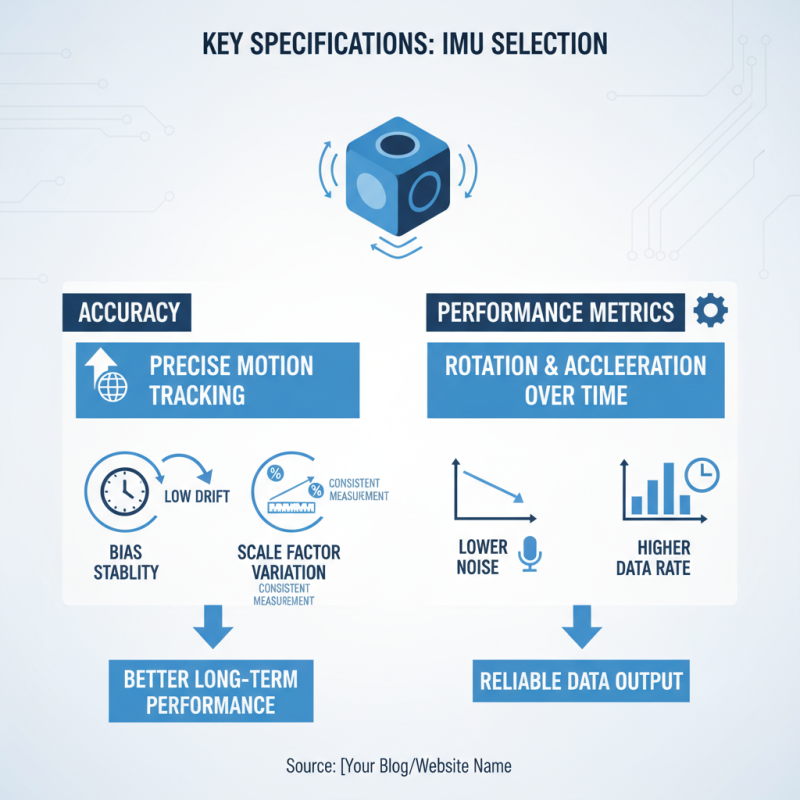
When choosing an Inertial Measurement Unit (IMU) sensor, several key specifications come into play. Accuracy is crucial. Higher accuracy means precise motion tracking. Look for metrics like bias stability and scale factor variation. These factors affect how well the IMU can measure rotation and acceleration over time. A sensor with lower drift will yield better long-term performance.
Another important aspect is the sampling rate. This determines how often measurements are taken. A higher rate captures quick movements better. However, it also requires more processing power. Therefore, balance is key. Sometimes, a high sampling rate can lead to data overload. Assess your application’s needs before making a choice.
Size and weight also merit consideration. A compact IMU sensor fits better in smaller devices. Yet, miniaturization can sometimes lead to compromises in performance. Testing and validation are essential. Data can vary greatly in real-world scenarios. Make sure the chosen Inertial Measurement Unit Imu Sensor aligns with your specific requirements.
Types of IMUs: Advantages and Disadvantages
When selecting an Inertial Measurement Unit (IMU), it’s crucial to consider the various types available. Each type has distinct advantages and disadvantages, influencing your application. For instance, MEMS (Micro-Electro-Mechanical Systems) IMUs are compact and cost-effective. They are suitable for consumer devices like smartphones and drones. However, they may lack precision in highly dynamic environments.
On the other hand, FOG (Fiber Optic Gyro) IMUs offer superior accuracy. They perform well under extreme conditions, making them ideal for aerospace applications. High performance comes at a price, though. FOG IMUs can be more expensive and bulky compared to MEMS.
Choosing the right type also involves understanding your specific requirements. Consider the trade-offs carefully. A lower-cost option may compromise accuracy. Meanwhile, high-end IMUs may be overkill for simpler applications.
Ensure that the IMU you choose aligns well with your project needs. Weighing these factors helps in making an informed decision.
Applications of IMUs Across Different Industries
Inertial Measurement Units (IMUs) are crucial across various industries. They play a vital role in aerospace for navigation and stability control. Without IMUs, aircraft would struggle to maintain their flight paths. They gauge position, speed, and orientation. This precise data supports pilots and autopilot systems alike.
In the automotive realm, IMUs enhance safety features. Modern vehicles use them for advanced driver-assistance systems (ADAS). This technology helps vehicles understand their surroundings, improving collision avoidance. However, the reliance on IMUs also raises concerns about data accuracy and sensor failure. Even minor discrepancies can lead to significant consequences.
The robotics sector benefits from IMUs too. They assist in motion tracking and navigation for drones and robots. This technology allows them to perform tasks in dynamic environments. Yet, integrating IMUs requires careful calibration. Misalignment can cause errors in navigation, leading to operational setbacks. Hence, while IMUs are a powerful tool, their effectiveness hinges on precise implementation and maintenance.
2026 How to Choose the Best IMU Inertial Measurement Systems? - Applications of IMUs Across Different Industries
| Industry |
Application |
Key Features |
Typical Use Cases |
| Aerospace |
Flight Stabilization |
High precision, real-time data |
Drone navigation, autopilot systems |
| Automotive |
Vehicle Dynamics |
Compact design, low power consumption |
ADAS (Advanced Driver Assistance Systems) |
| Robotics |
Motion Tracking |
Multi-axis sensing, high accuracy |
Robotic arm control, mobile robots |
| Healthcare |
Patient Monitoring |
Wireless connectivity, small form factor |
Wearable health devices, rehabilitation |
| Manufacturing |
Quality Control |
Robustness, compatibility with machinery |
Machine monitoring, process automation |
Factors Affecting IMU Performance and Accuracy
When choosing an Inertial Measurement Unit (IMU), accuracy and performance are crucial factors. An IMU's performance can significantly fluctuate based on its design, environment, and calibration. For instance, environmental noises, such as vibrations or temperature variations, can lead to drifts in sensor outputs. According to a 2022 industry report, nearly 30% of errors in gyroscope readings stem from these external factors.
Calibration is another vital element. Regular calibration ensures the IMU maintains accuracy over time. A lack of proper calibration may result in diverse errors, sometimes exceeding 15% in precision. Deployment scenarios play a role as well. In high-dynamic environments, the effects of inertial drift can be more pronounced.
Sensor type also influences overall performance. For instance, MEMS (Micro-Electro-Mechanical Systems) sensors are popular for their compact size. Yet, they often suffer from noise issues, impacting long-term accuracy. Trade-offs exist in selecting between size, cost, and precision. Industry experts emphasize that users must assess their specific needs before making a decision.
Factors Affecting IMU Performance and Accuracy
Cost Considerations for Different IMU Models
Choosing the right Imu Inertial Measurement Systems requires careful consideration of costs. Various IMU models differ significantly in pricing due to their specifications. For instance, high-end models can range from $1,000 to $10,000, while more affordable options may start as low as $100. The vast price spectrum often reflects the sensor accuracy, stability, and features.
According to a recent industry report, the demand for precise IMU Inertial systems in aerospace applications has surged by approximately 25% over the past three years. This rising demand often drives up prices. However, this increase can also be beneficial. Investing in higher-quality systems can prevent costly errors later. Low-cost options may seem attractive but often lack necessary features.
Additionally, organizations must consider long-term operational costs. Cheaper systems might require frequent calibration and maintenance, increasing overall expenditure. Conversely, higher-end solutions often include robust support and warranties. This aspect is crucial for projects involving critical applications like autonomous vehicles. Businesses should weigh up-front costs against long-term reliability and performance. A thoughtful approach can lead to significant savings in the long run.
Future Trends in IMU Technology and Development
As we look towards the future, several trends are shaping the development of
IMU Inertial Sensor
s. Smaller sensors allow for more compact designs,
facilitating integration into various devices, even in drones and wearables.
However, this miniaturization often leads to compromises in performance.
Reduced size can affect sensitivity and accuracy, which merits careful consideration.
Another emerging focus is the integration of
artificial intelligence in IMU inertial systems.
AI algorithms enhance data processing and sensor fusion capabilities.
This improvement can lead to smarter applications in
robotics and autonomous vehicles.
Yet, reliance on these technologies can create vulnerabilities. For instance, if AI misinterprets data,
the system's reliability may suffer.
The push for higher accuracy and robustness continues as industries demand more from these sensors.
New materials and manufacturing techniques are on the horizon, promising improvements in durability.
Nonetheless, these advancements might also lead to higher costs.
Understanding these complexities is crucial for stakeholders.
Overall, the evolution of IMU inertial sensors demands a balance between innovation and practicality.
Enhancing UAV Performance with the Digital TBSD60: A Guide to Lightweight Inertial Navigation Solutions
The advancement of UAV technology has opened new frontiers in various industries, necessitating solutions that enhance precision and reliability. The integration of innovative inertial navigation systems is essential for both performance and operational efficiency. One such solution is the lightweight inertial navigation system designed with advanced digital closed-loop technology. This system delivers exceptional zero-bias stability, crucial for applications demanding high accuracy.
With its compact dimensions, this fiber optic gyroscope is crafted to withstand rugged environments, making it an ideal choice for UAVs. The fast startup capabilities and a wide dynamic range allow for responsive adjustments, ensuring reliable navigation even in the most challenging conditions. Moreover, superior resistance to vibration and shock ensures that the system maintains its integrity during operation, making it perfect for high-precision tasks such as vehicle-mounted positioning and autonomous navigation.
As industries continue to embrace UAV technology, the need for sophisticated inertial navigation solutions becomes increasingly critical. Utilizing advanced lightweight systems offers a promising path toward achieving enhanced UAV performance, enabling more efficient operations across various sectors. The reliability and precision provided by such advanced technology are vital for exploring new applications and pushing the limits of what UAVs can achieve.
FAQS
: Accuracy is crucial for precise motion tracking.
A higher sampling rate captures quick movements better but may require more processing power.
A compact IMU fits better in smaller devices, but may compromise performance.
MEMS IMUs are compact and cost-effective, ideal for consumer devices.
They may lack precision in highly dynamic environments.
FOG IMUs offer superior accuracy but are bulkier and more expensive.
Data can vary greatly in real-world scenarios, affecting performance.
They support navigation and stability control, crucial for maintaining flight paths.
They are used in advanced driver-assistance systems for collision avoidance.
Careful calibration is needed to prevent navigation errors.
Conclusion
In the quest to select the best IMU Inertial Measurement System, it is essential to understand the intricacies of IMUs, including their key specifications, types, and performance factors. Different IMUs offer various advantages and disadvantages, making it crucial to consider their applications across diverse industries such as aerospace, automotive, and medical technologies. Evaluating specifications like sensitivity, bandwidth, and noise performance can significantly influence decision-making.
Cost considerations also play a vital role, as the budget often determines the choice of an IMU model. As technology continues to evolve, future trends in IMU development are likely to enhance performance and accuracy, making them increasingly pivotal in modern applications. This comprehensive approach ensures that users can make informed decisions tailored to their specific needs and operational environments.

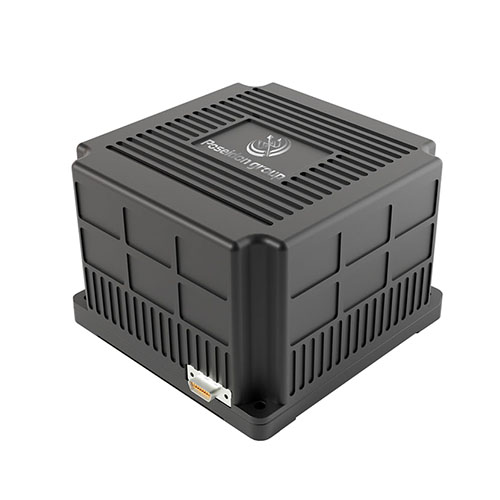 TBSD60
 BSD120
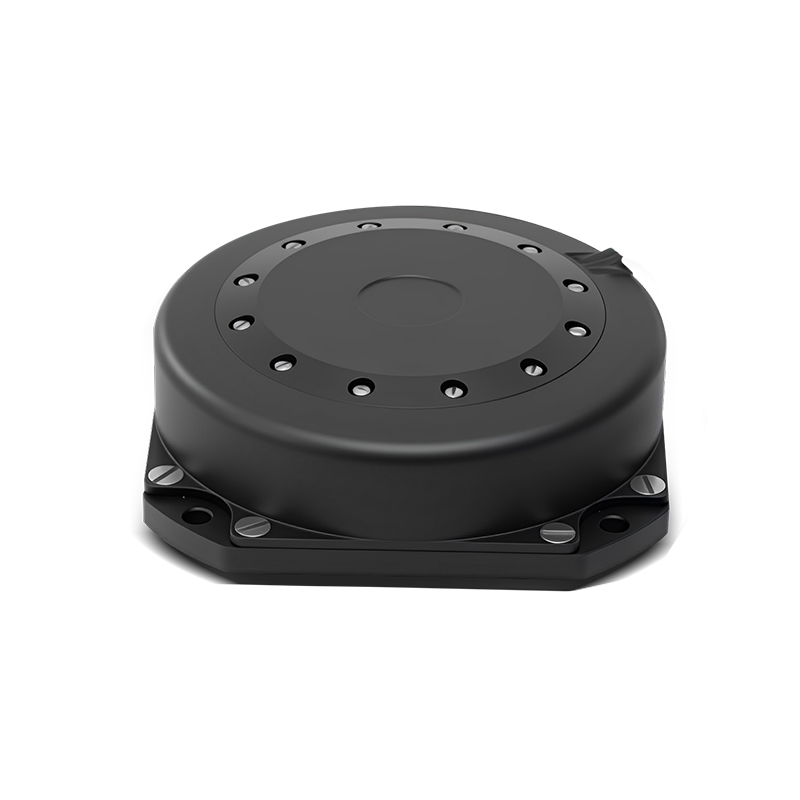 BSD98
BSD98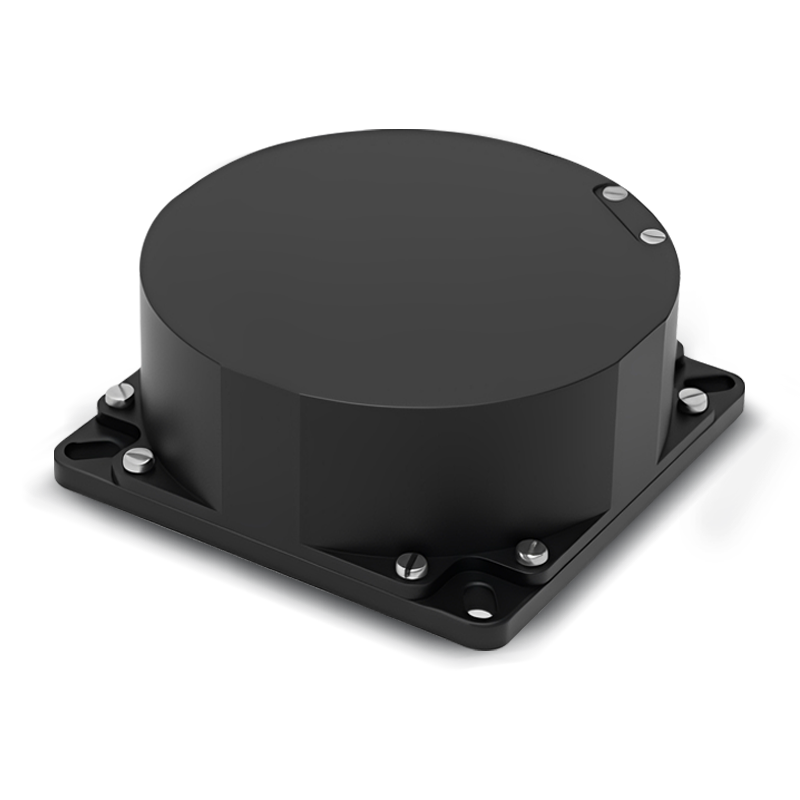 BSD70
BSD70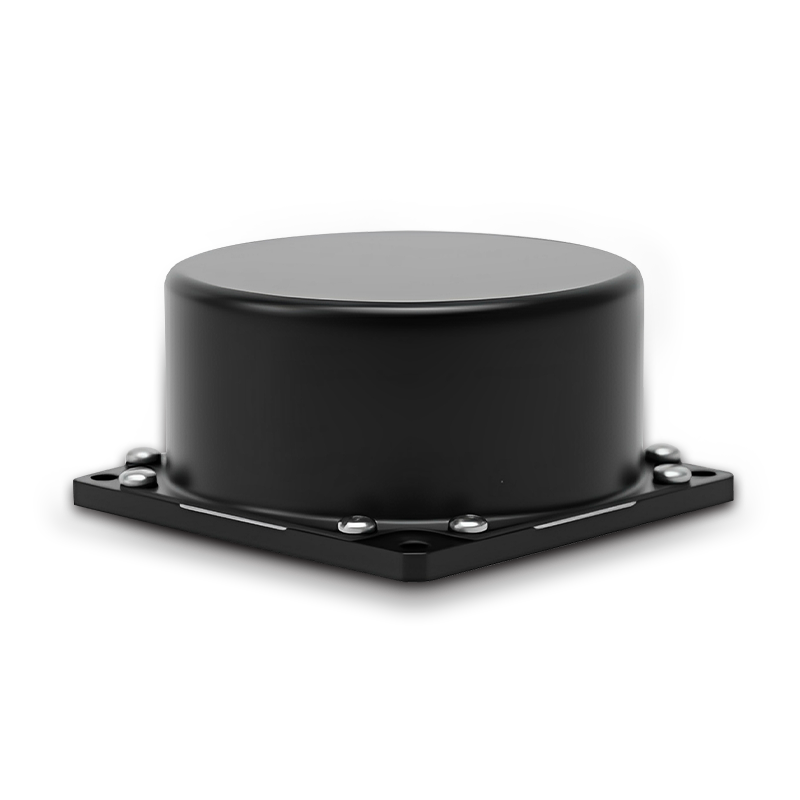 BSD60
BSD60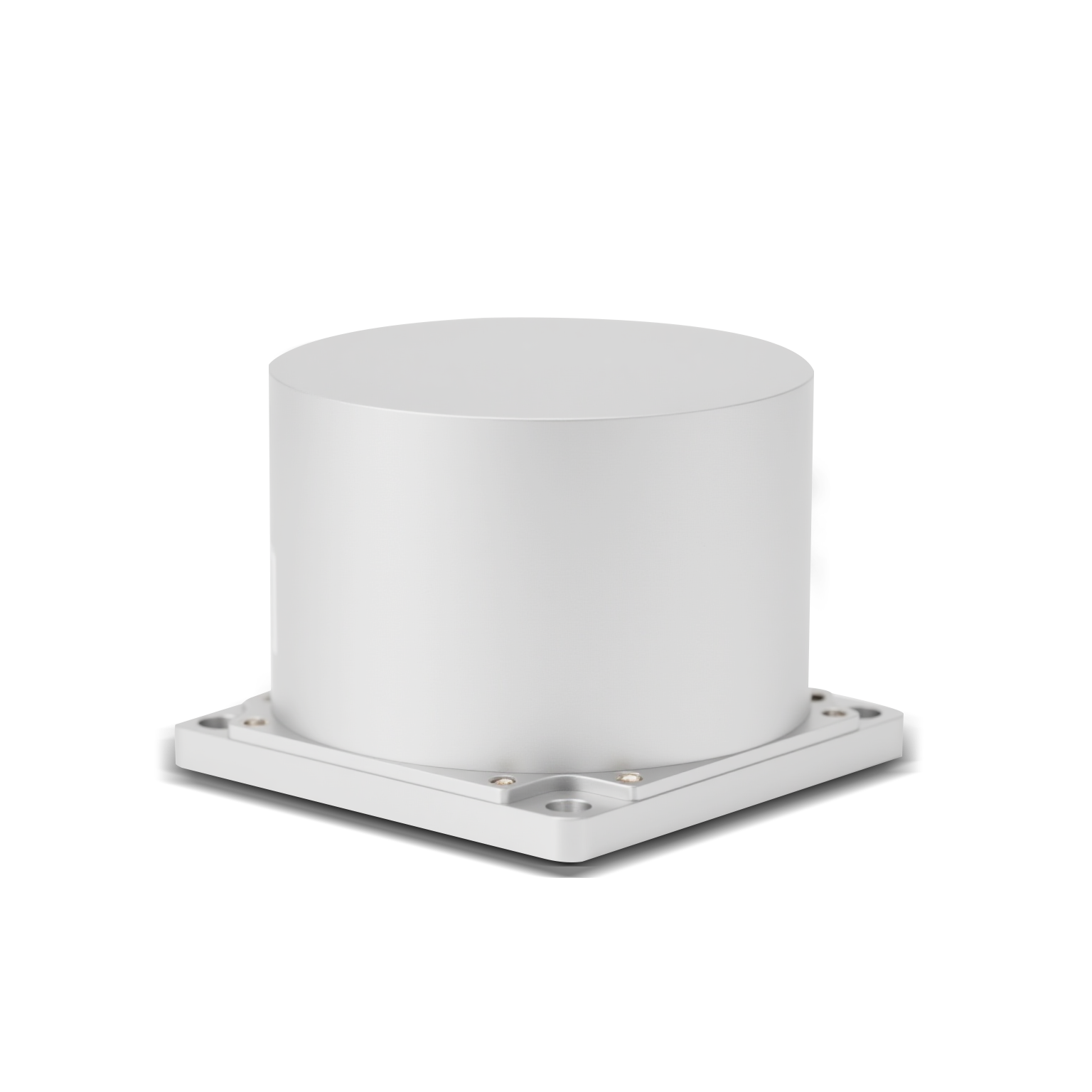 BSD50
BSD50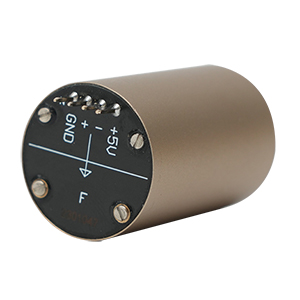 BSD217
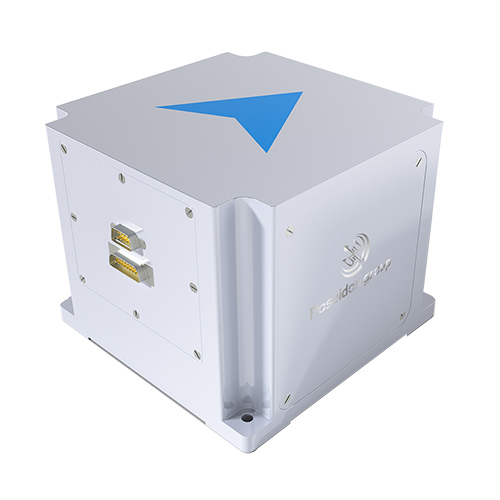 INS1700
 INS970
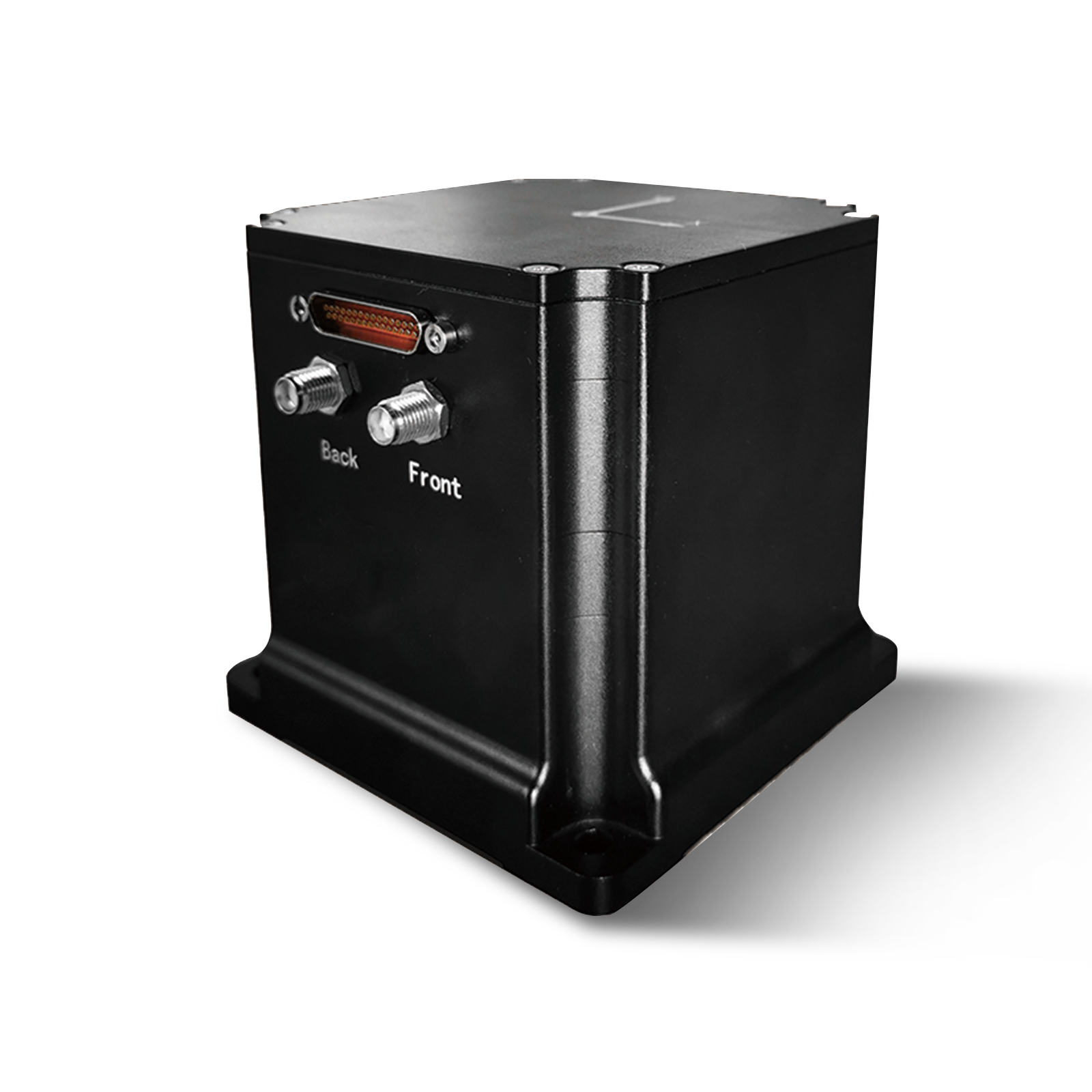 INS570
 INS170
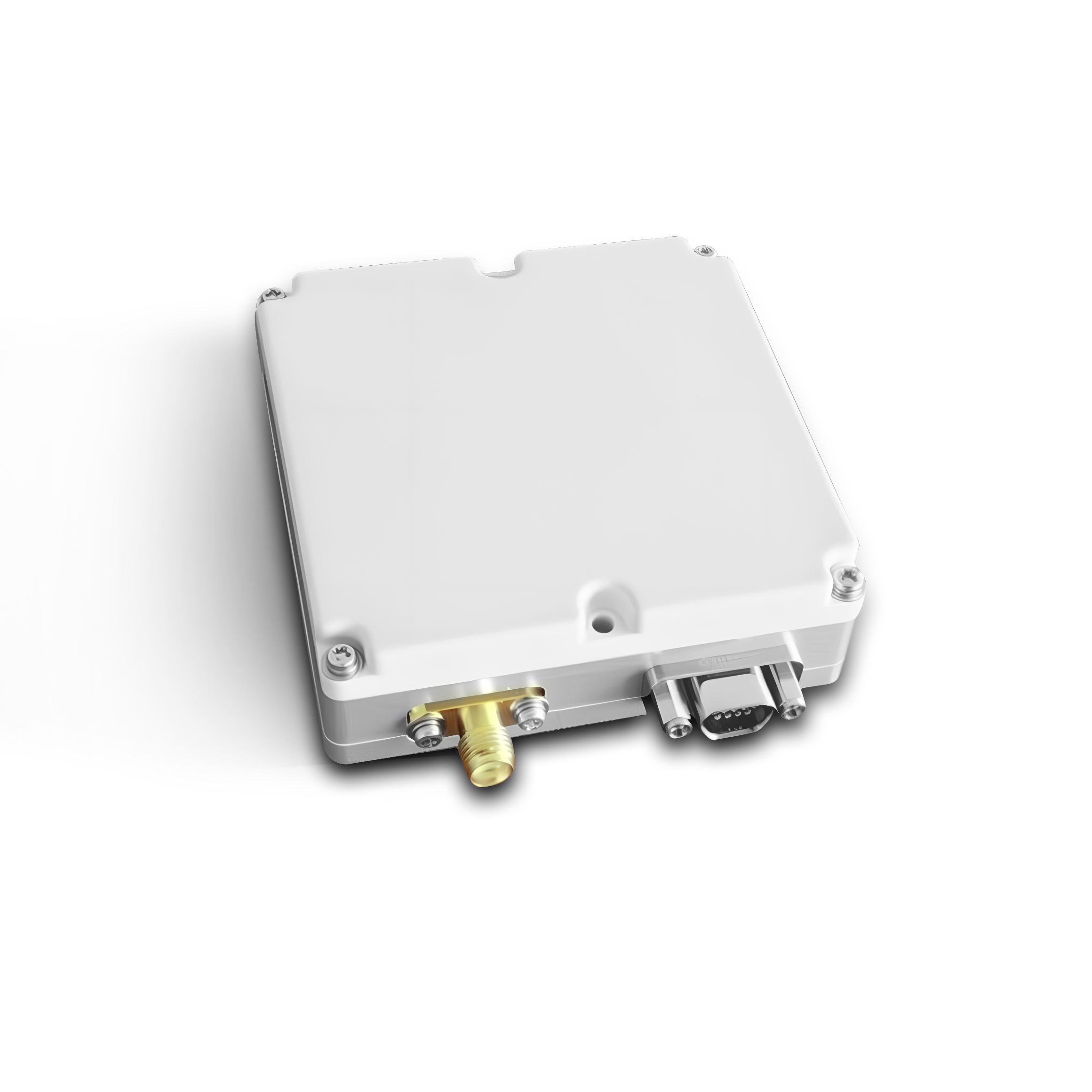 SLA-4B1L1-65
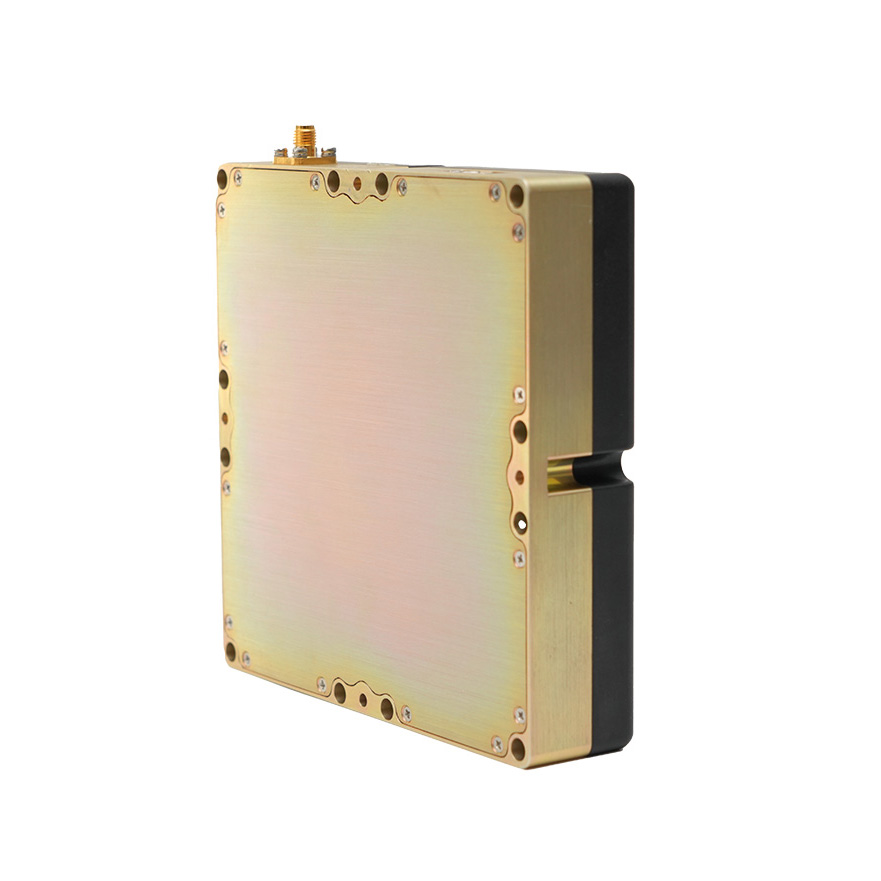 SLA-4B1L1-130
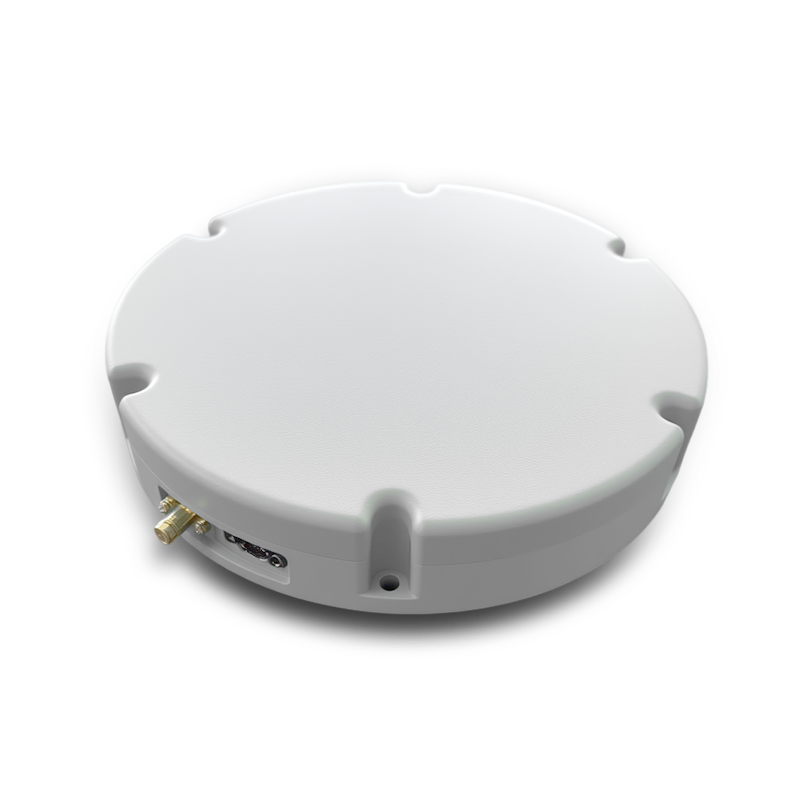 SLA-8B1L1-165
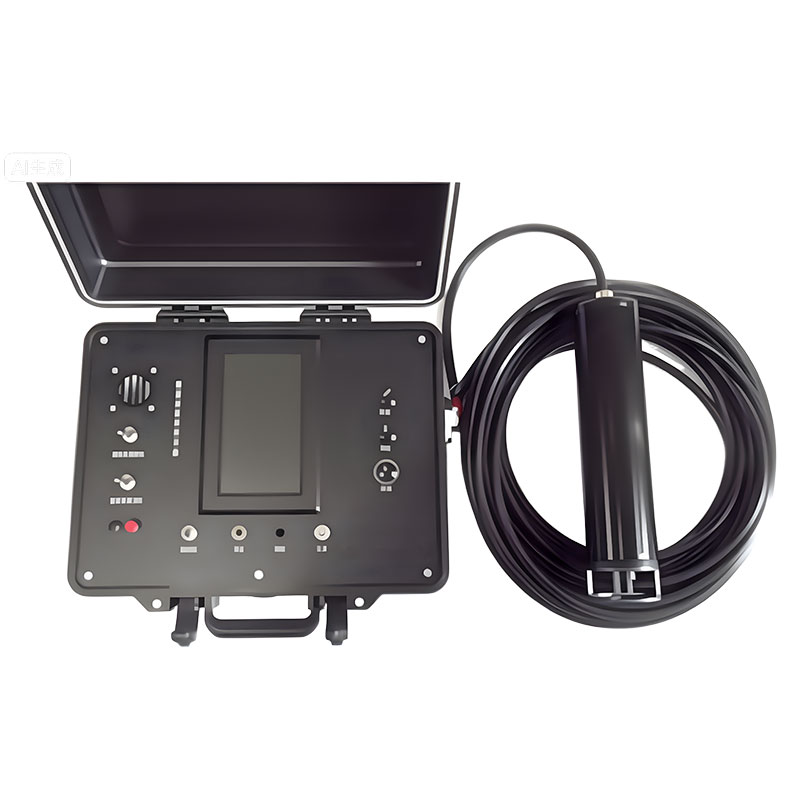 101 Vessel-mounted Positioning
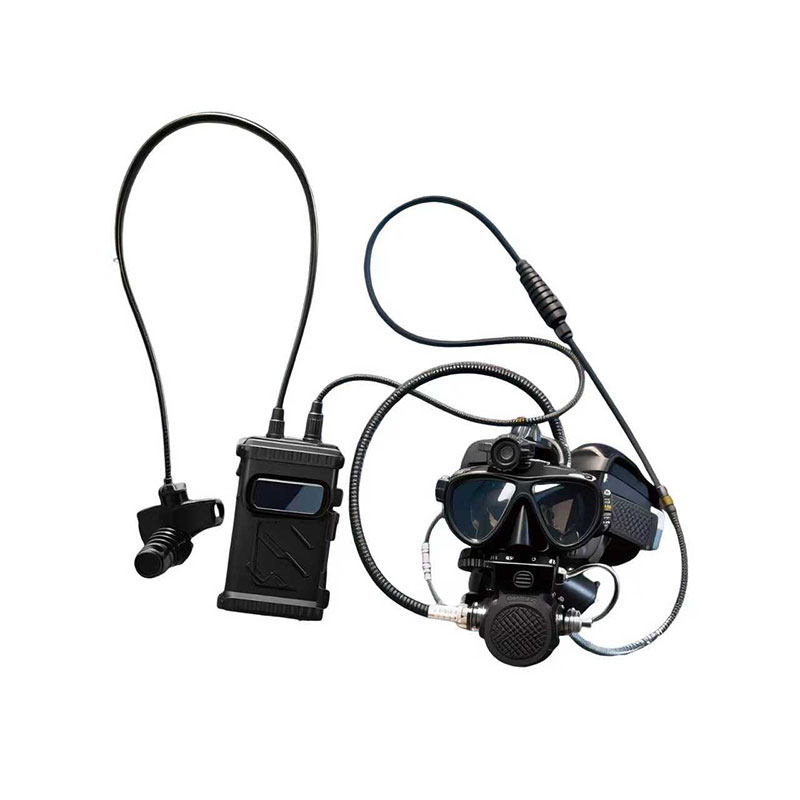 102 Acoustic Communication
 103 Tracking and Locating
 104 Diver Navigation System
 105 Intrusion Detection Sonar
 106 Delivery Locator Beacon
 SLLR3000
 SLLR905
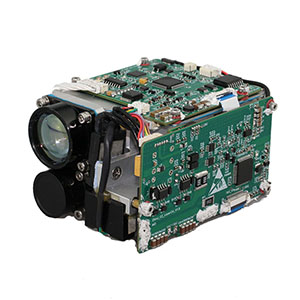 SLLD25
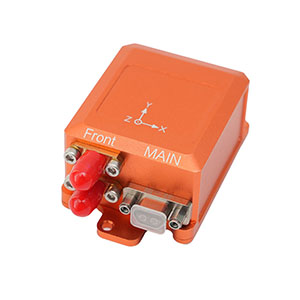 160M
160M 170M
170M SLFC-70
 SLAF280
 MR360
MR360