 TBSD60
 BSD120
 BSD98
BSD98 BSD70
BSD70 BSD60
BSD60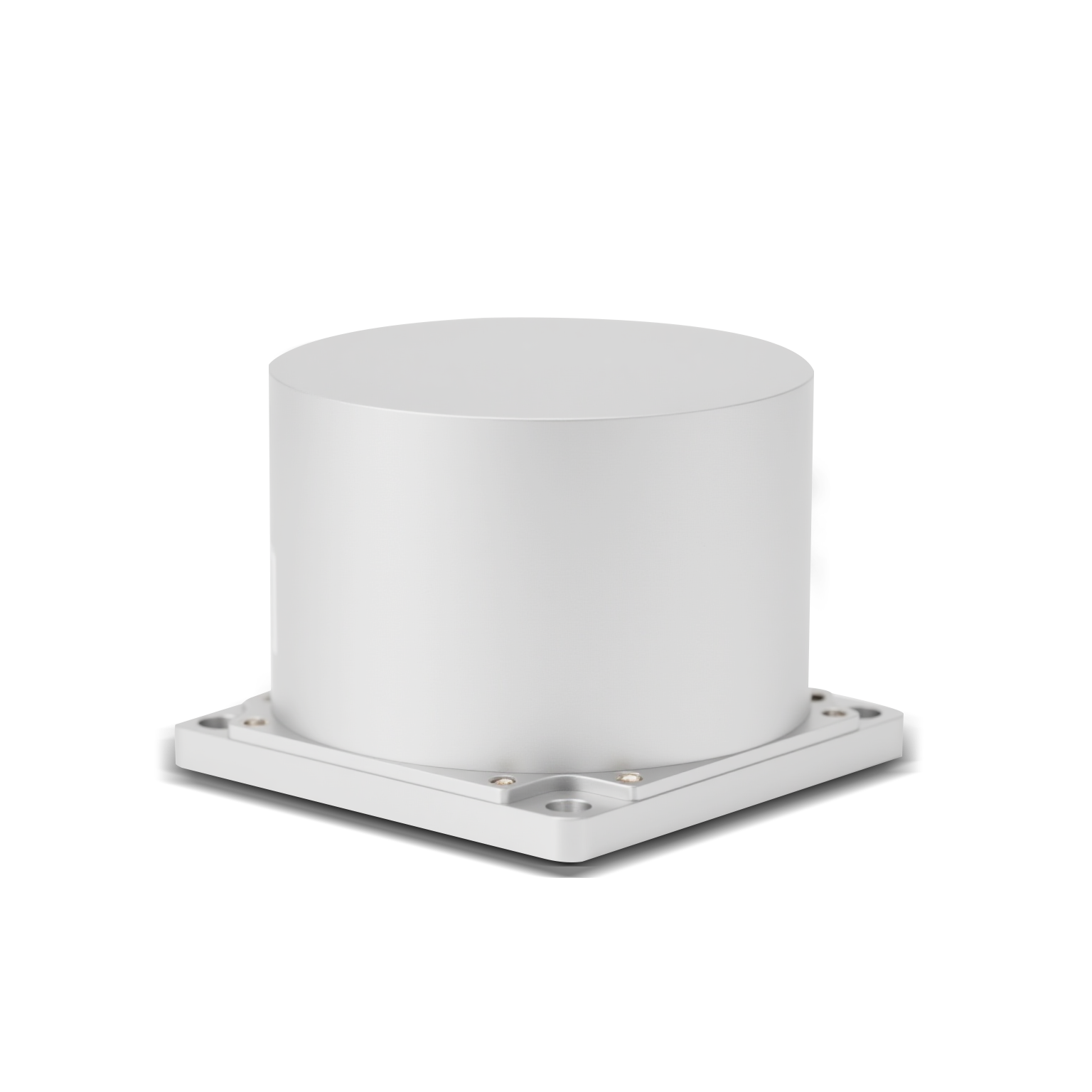 BSD50
BSD50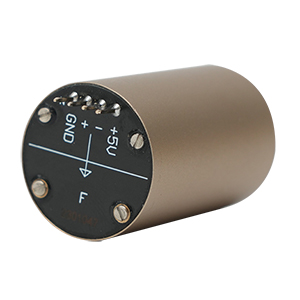 BSD217
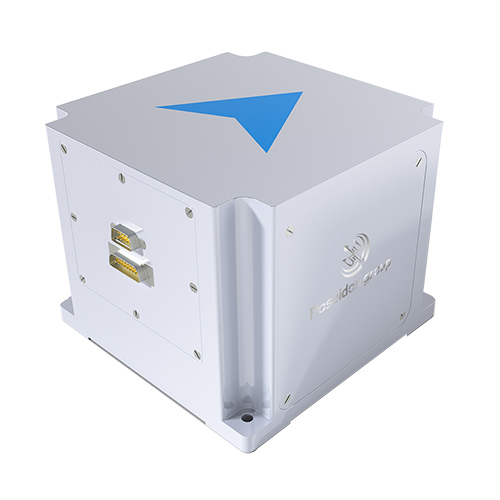 INS1700
 INS970
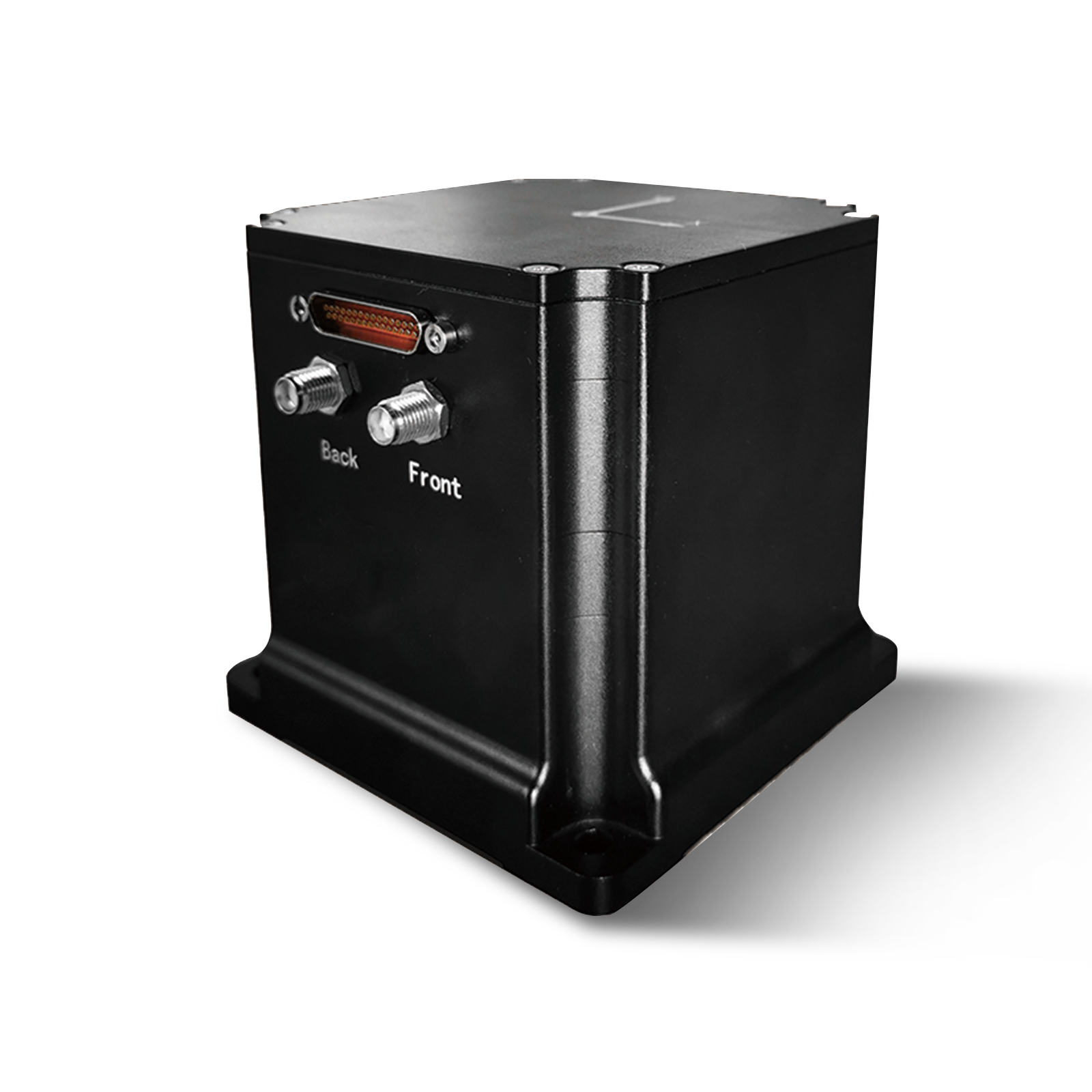 INS570
 INS170
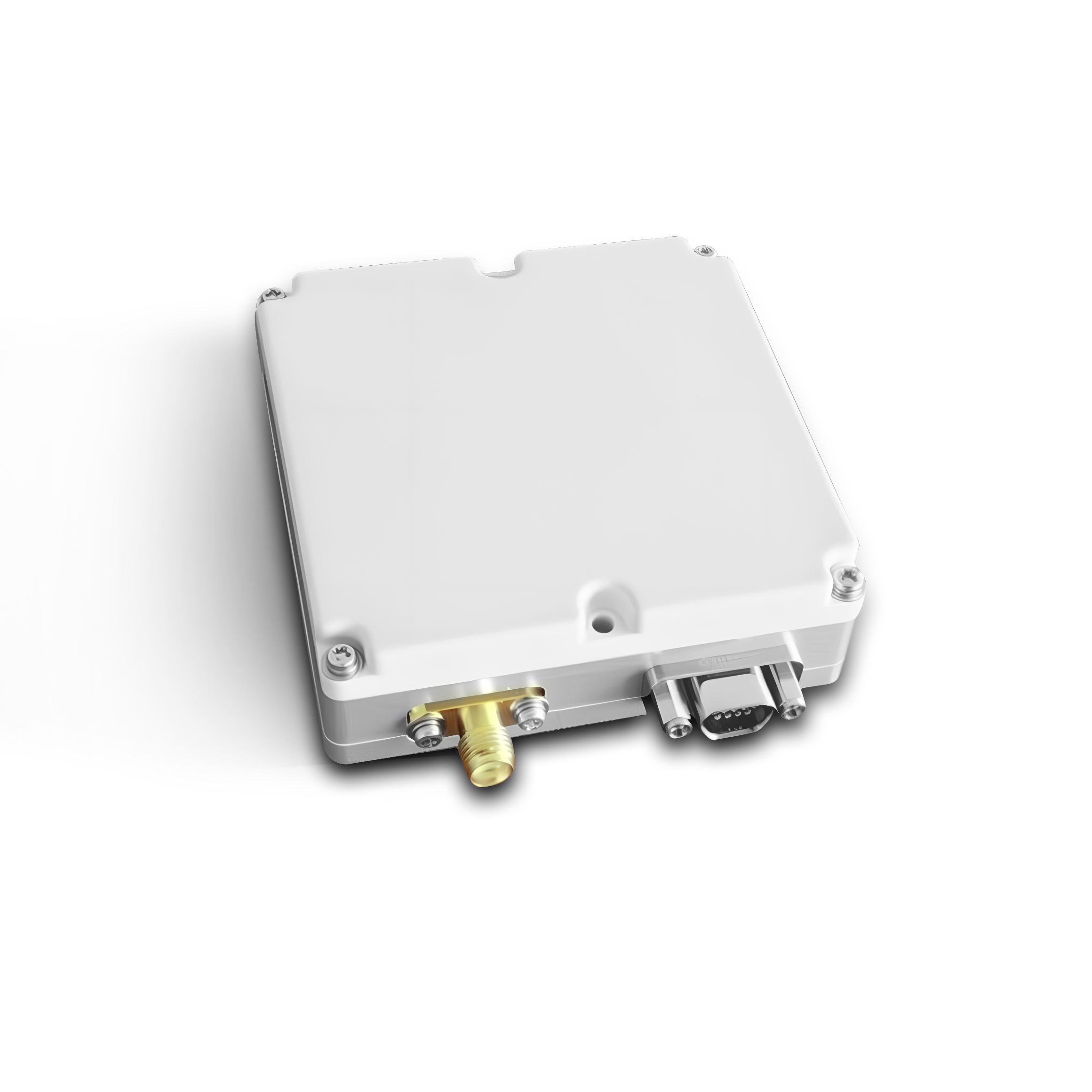 SLA-4B1L1-65
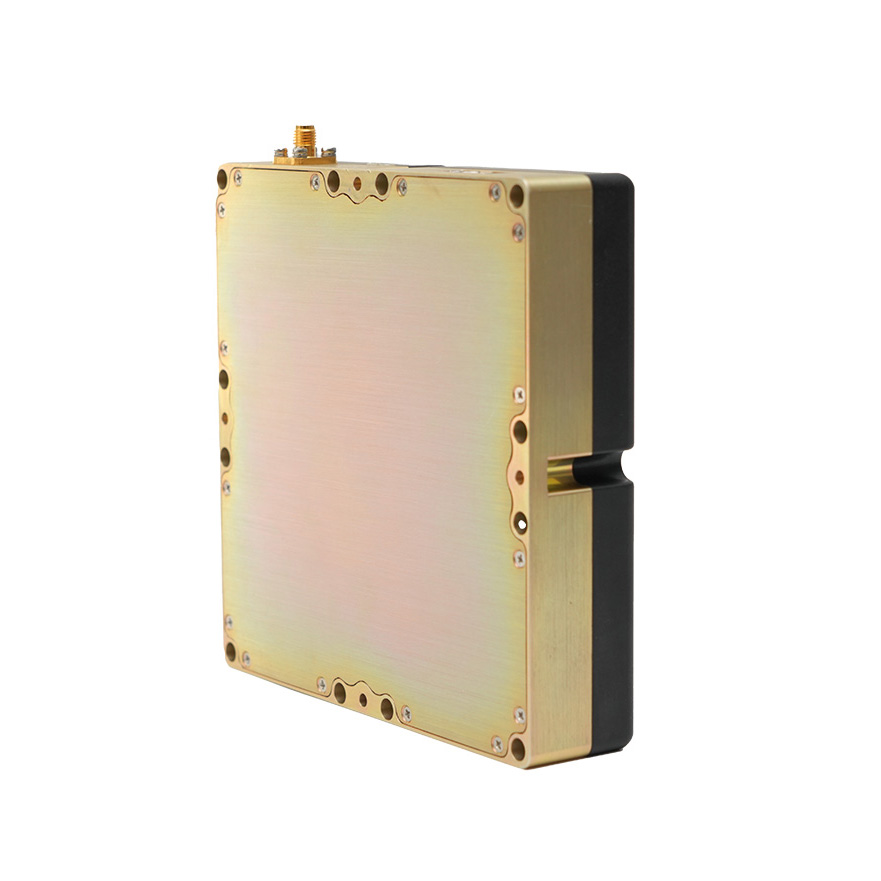 SLA-4B1L1-130
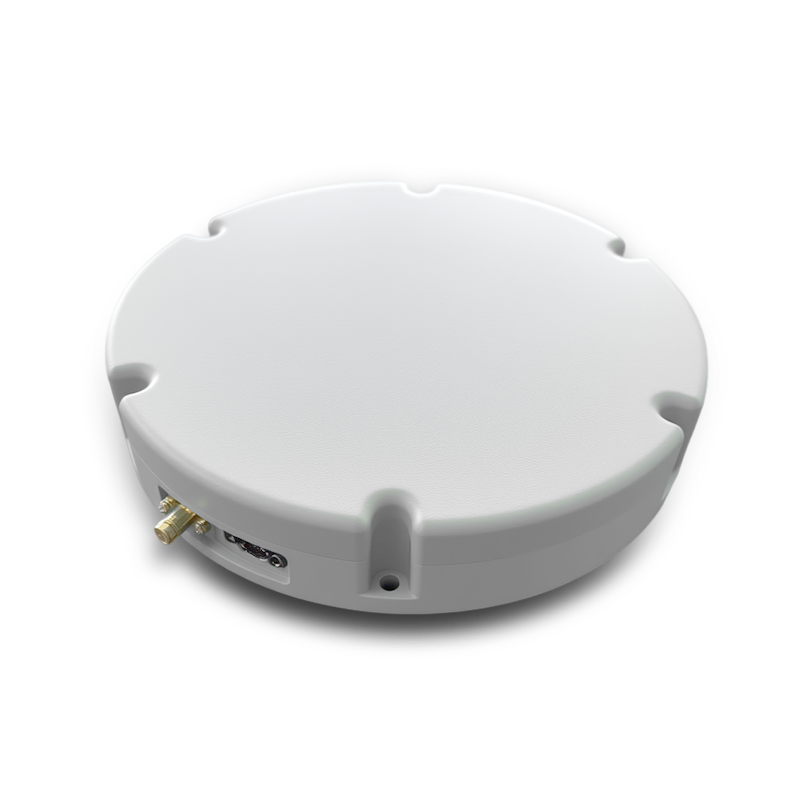 SLA-8B1L1-165
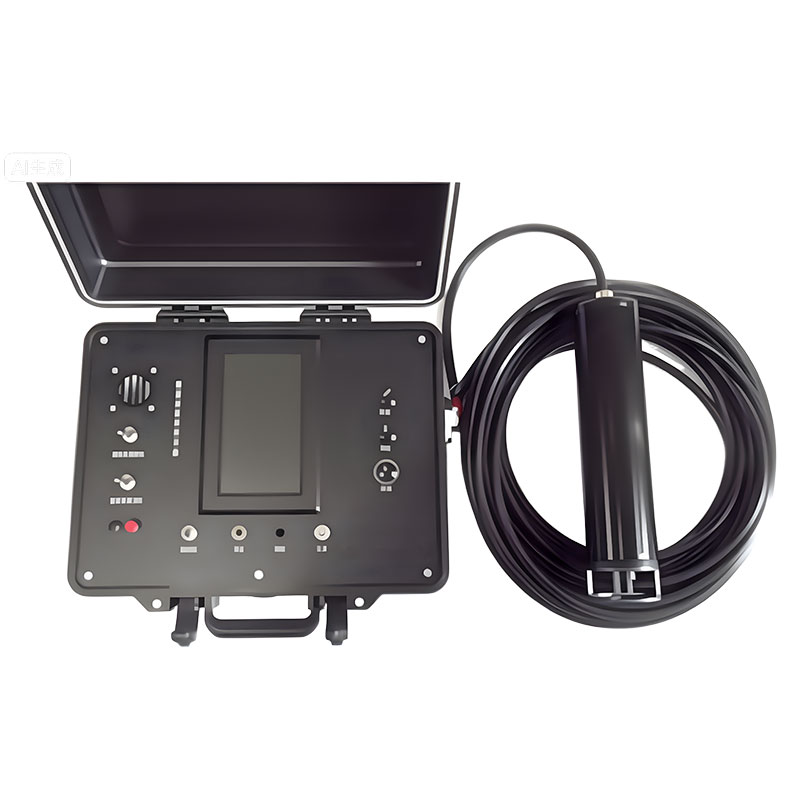 DIVER 101
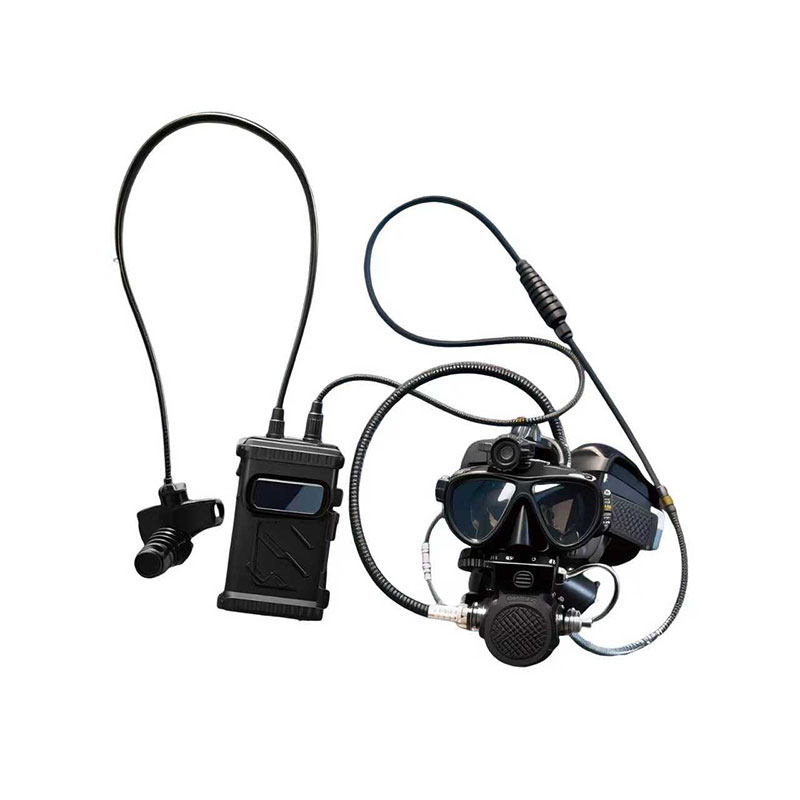 DIVER 102
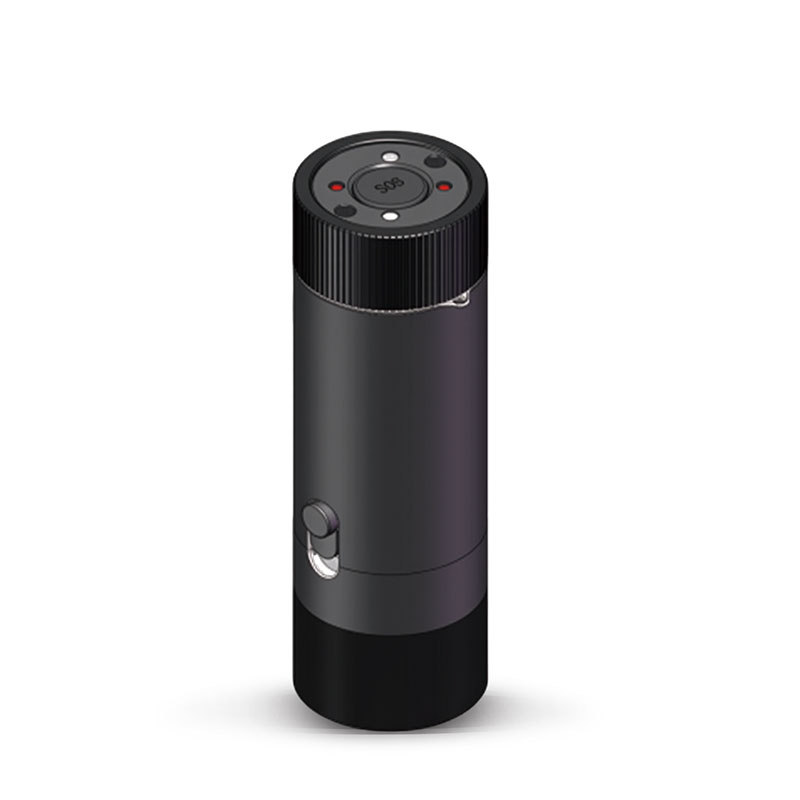 DIVER 103
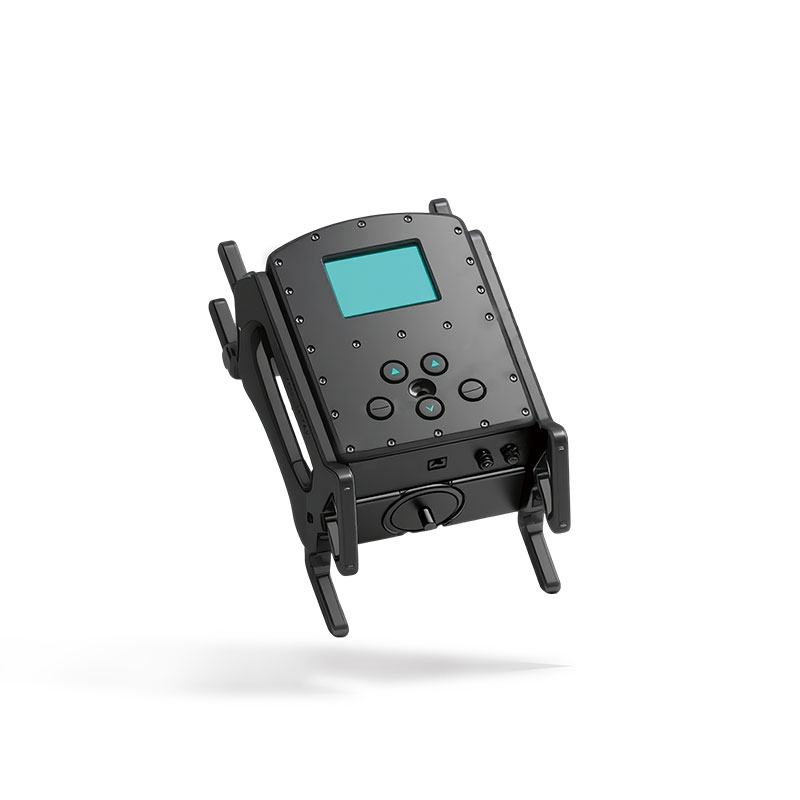 DIVER 104
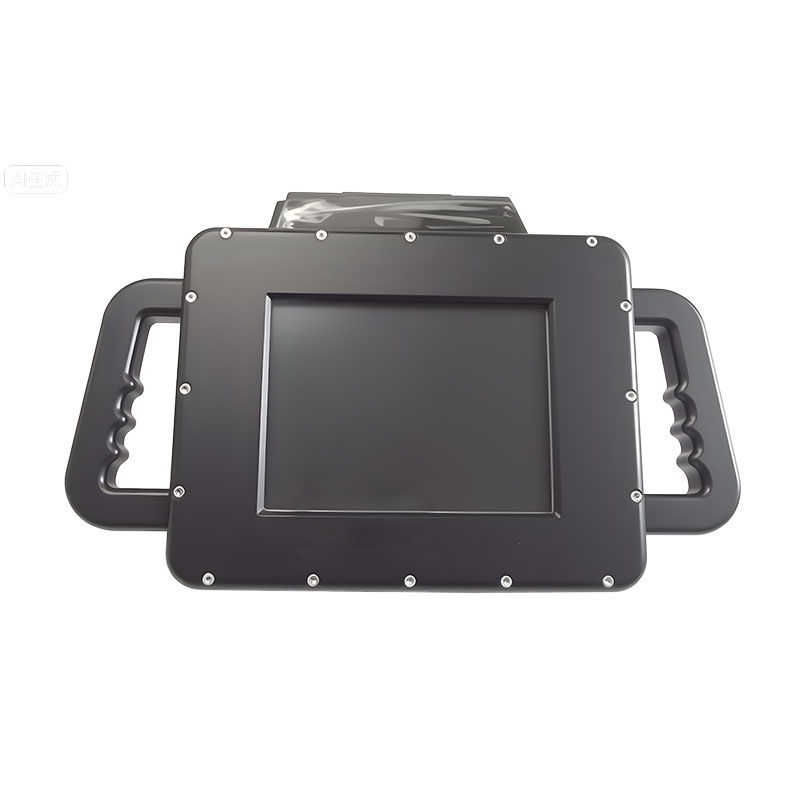 DIVER 105
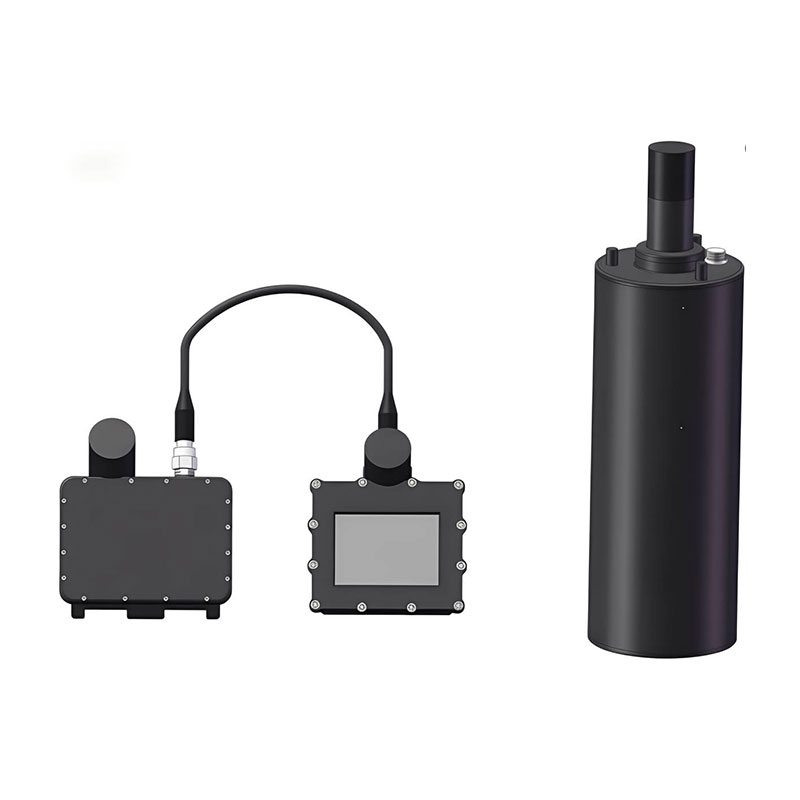 DIVER 106
 SLLR3000
 SLLR905
 SLLD25
 160M
160M 170M
170M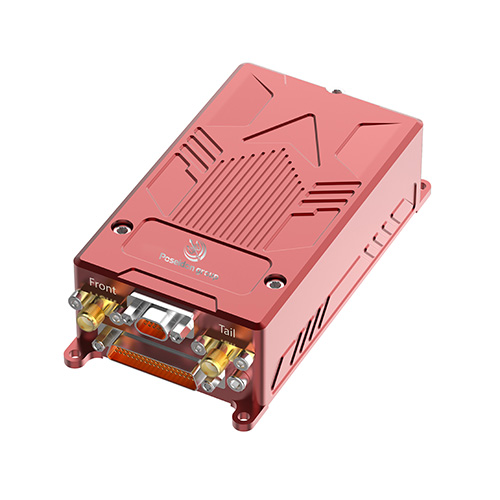 SLFC-70
 SLAF280
 MR360
MR360
Leave Your Message
As more and more folks are looking for really accurate and dependable navigation systems, the advances in Strapdown Inertial Systems are opening up some exciting new possibilities across various industries. I mean, Dr. John Smith—who's pretty much an expert in inertial navigation—says that using these Strapdown systems boosts both the precision and trustworthiness of navigation tech, really pushing the envelope of what's achievable. By 2025, we’re actually expecting these systems to hit around 90% accuracy, which could totally change how things like space travel, cars, and robots are navigated. It’s pretty wild to think about how much this could shake things up.

And speaking of pioneers in the field, Poseidon International Group from Hong Kong is right there at the forefront. They’ve been crushing it since 2013, doing their own research, designing, and manufacturing cutting-edge stuff like fiber optic gyroscopes and advanced inertial systems. They've even got several patents under their belt, so it’s clear they’re really committed to pushing innovation. As these Strapdown systems keep getting better, Poseidon’s work positions them as a real leader in shaping what navigation tech will look like in the future—delivering improved performance and opening doors to some pretty groundbreaking applications.
All in all, it’s an exciting time for navigation tech, and companies like Poseidon are definitely leading the charge.
The landscape of navigation technology is undergoing a remarkable transformation, primarily driven by advancements in strapdown inertial systems. These systems are gaining traction due to their ability to provide accurate positioning data without relying on external references. By 2025, the global inertial navigation system market is projected to reach $13.65 billion and is expected to soar to $24.28 billion by 2032, reflecting a robust compound annual growth rate (CAGR) of 8.6%. This surge indicates a growing reliance on inertial navigation solutions across various sectors, including aerospace, automotive, and defense.
Emerging technologies in strapdown inertial systems are central to this growth, offering enhanced accuracy and reliability in navigation. With many systems achieving up to 90 percent accuracy, they are becoming indispensable in applications where precision is critical. The integration of advanced algorithms and sensor technologies not only elevates performance but also expands the potential market, catering to the increasing demand for autonomous systems and precision-guided munitions. As industries continue to embrace digital transformation and automation, the role of strapdown inertial systems will undoubtedly become more prominent, reshaping how we approach navigation and positioning in the coming years.
The evolution of Unmanned Aerial Vehicles (UAVs) demands advanced flight control systems capable of handling increasingly sophisticated missions. Among these innovations, the SLFC70 Flight Control System stands out as a premier solution tailored for hybrid applications, specifically optimized for quadcopter-hybrid VTOL (Vertical Take-Off and Landing) fixed-wing drones. This fully integrated system serves as the essential "brain" of the UAV, seamlessly coordinating flight dynamics and navigation to ensure mission success across a wide range of operational scenarios.
Designed with versatility in mind, the SLFC70 effectively bridges the gap between traditional quadcopter maneuverability and the efficiency of fixed-wing flight. Its advanced algorithms allow for precise control during both hover and forward flight, empowering operators to undertake complex missions with confidence. As the UAV market continues to evolve, the SLFC70 positions itself as a leader, addressing the unique challenges presented by hybrid drone applications while enhancing overall operational effectiveness.
: Advanced sensor fusion techniques that combine data from multiple sensors, such as accelerometers and gyroscopes with external references like GPS, significantly enhance accuracy and reliability, achieving an accuracy rate of up to 90 percent.
Robust algorithms are implemented to compensate for factors like temperature variations and mechanical disturbances, ensuring stable performance even in diverse operating conditions.
Machine learning capabilities allow these systems to continuously improve their performance and adapt to changing navigation requirements.
The emergence of advanced systems integrating cutting-edge sensors and algorithms is anticipated, with accuracy levels potentially reaching as high as 90 percent, particularly in dynamic environments.
These features are crucial for ensuring precise navigation, as they enable systems to adaptively refine their responses to environmental changes.
The aerospace, maritime, and automotive industries are seeing significant demand for high-precision navigation solutions, contributing to substantial market growth.
The automotive sector is transitioning towards smart driving solutions, integrating inertial measurement units (IMUs) into domain controllers for developing more sophisticated hardware-software systems.
These types of gyroscopes are increasingly utilized in military and aerospace applications due to their high accuracy and reliability.
The global inertial navigation system market is expected to grow from $13.65 billion in 2025 to $24.28 billion by 2032, with a compound annual growth rate (CAGR) of 8.6%.
Mid-precision MEMS sensors are vital for smart driving features, indicating a trend toward enhancing operational efficiency and accuracy in consumer electronics and automotive applications.
The article "2025 Top 5 Strapdown Inertial Systems Transforming Navigation With 90 Percent Accuracy" explores the latest advancements in Strapdown Inertial Systems (SIS) poised to revolutionize navigation. Highlighting emerging technologies, it details the key features that contribute to achieving 90 percent accuracy, ensuring easier integration and more reliable performance across various platforms. A comparative analysis of the leading SIS in 2025 reveals their capabilities and applications, spanning industries such as aerospace, automotive, and robotics.
Furthermore, the article discusses the challenges and innovations faced in the development of Strapdown Inertial Systems. As Poseidon International Group (Hong Kong) Limited continues to push boundaries in the field of inertial navigation and fiber optic gyroscopes, the insights from this article emphasize the importance of ongoing research and technological advancements in fostering greater accuracy and reliability in modern navigation systems.